Calcium Phosphorus Ratio in the Equine Diet

HappyHorseHealthyPlanet_Ca_P Ratio

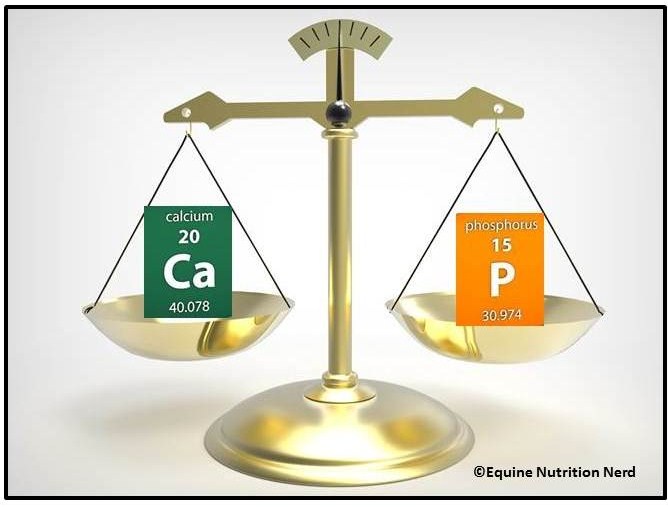
I have found that this equation in minerals gets a lot of attention but little understanding as to why it is so important.  Therefore, I would like to keep this simple and stress that a horse fed a diet based on quality forage should not have any issues with this, and their owners should have little concern.  When I see diets that are heavy in grain or a particular feedstuff (let’s say rice bran) then I will do a ration analysis to make sure this ratio is not out of whack.  Here’s why.

Why is it so important?

Besides salt, Calcium and phosphorous are the two critical minerals needed in horse nutrition.  Calcium and phosphorus are the most abundant minerals in the body, making up 70% of the total mineral content.  They are both macro minerals and needed in large quantity by the horse.

In contrast, the micro minerals such as copper, iodine, iron, manganese, selenium, and zinc are required by the horse in small (trace) amounts.

As with humans, Calcium is necessary for strong, healthy bones with 99% of the Calcium in the body being contained in the bones and teeth.  In the horse it plays a vital role in maintaining strong and healthy bones, cartilage and joints for performance without injury/breakdown.
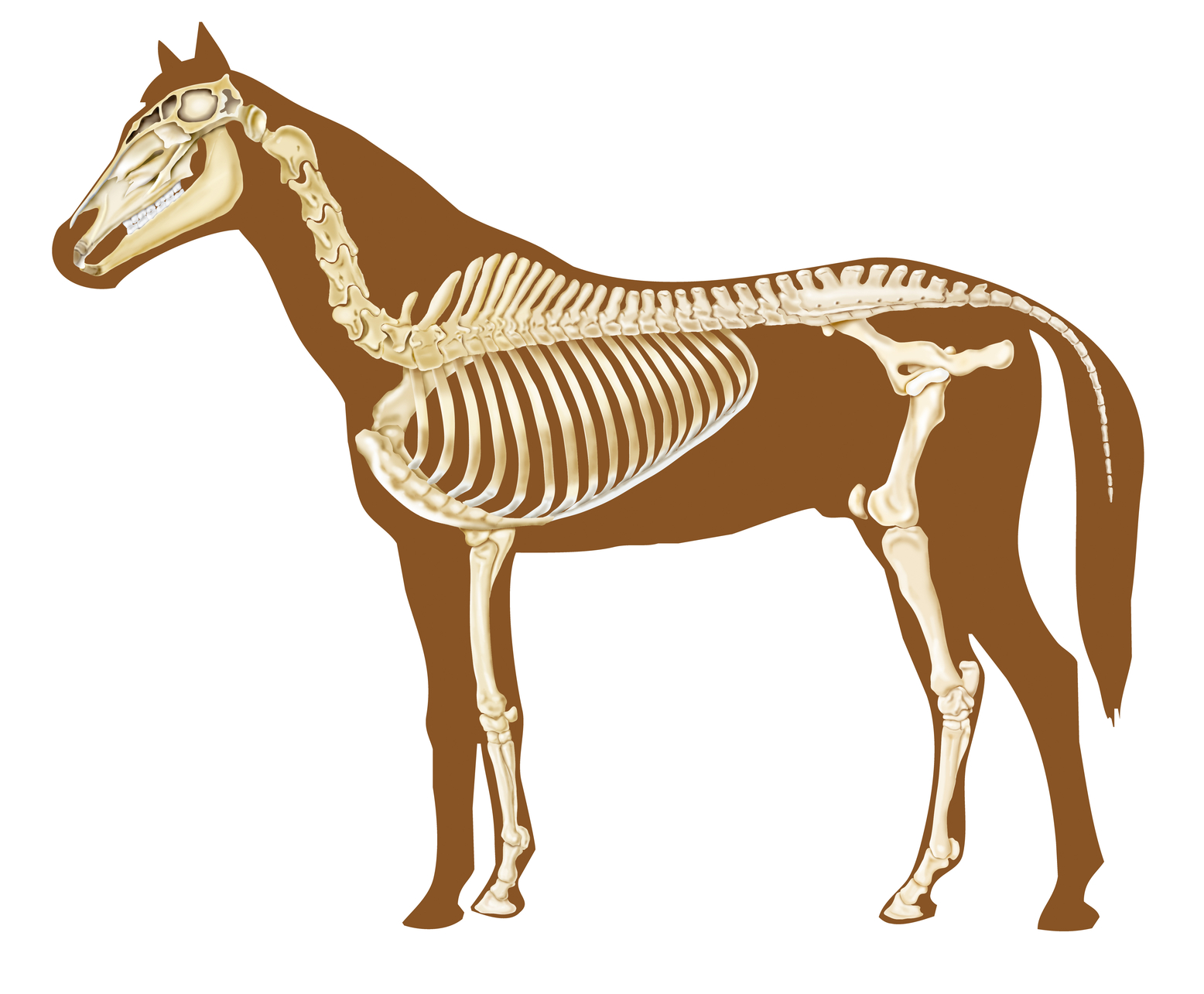
 horse skeleton section

Other less known functions of Calcium in the horse include roles in metabolism, nerve impulses, heart and diaphragm contraction and the functioning of the GI muscle for digestion. Calcium also has a role in specific metabolic reactions such as blood clotting, normal cell membrane function, glandular secretion, temperature regulation, regulating activity of many enzymes, and cellular activity.
Continue reading

BEE POLLEN FOR HORSES

What is It and Where Does it Come From?

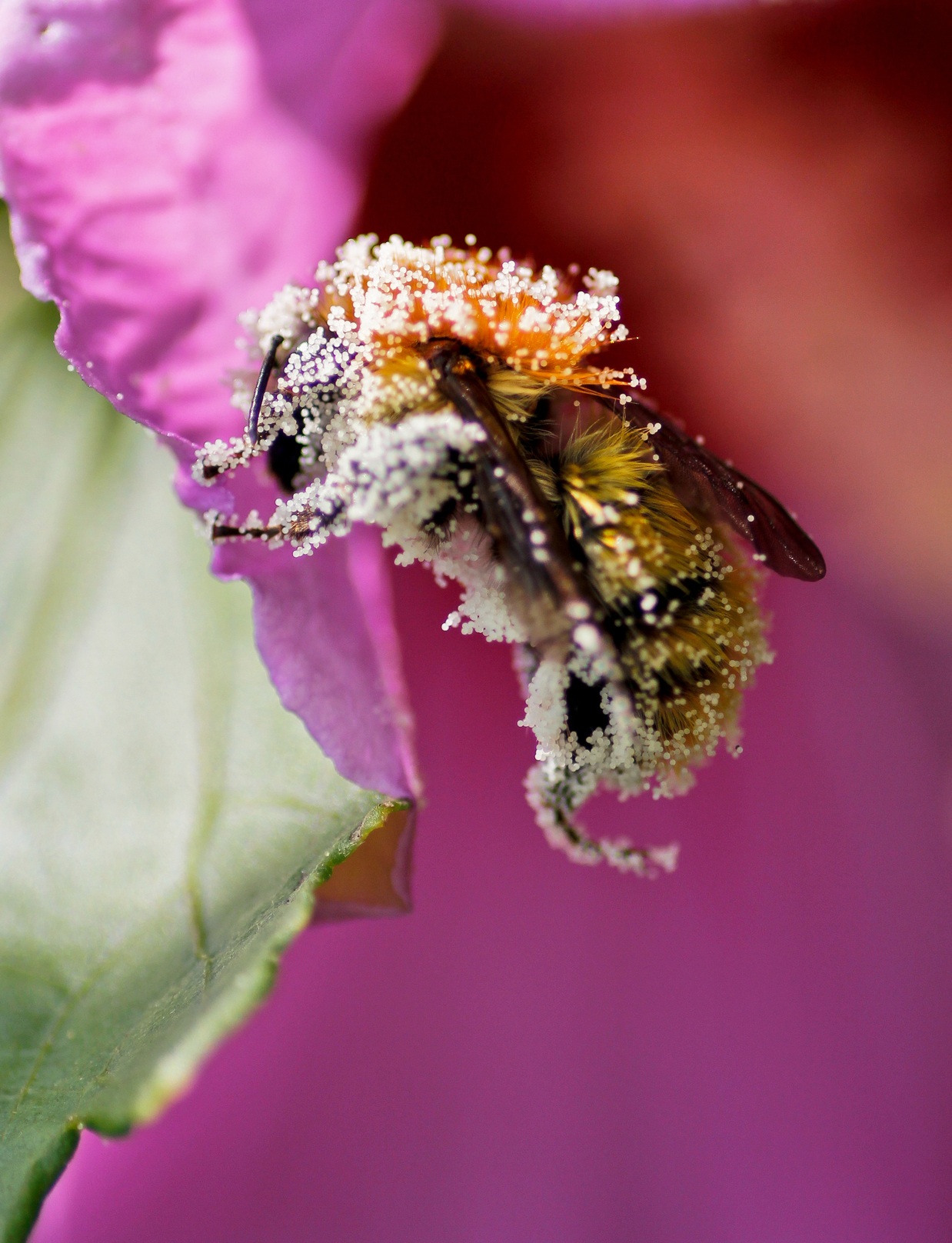
Bee Pollen has been called one of nature’s most perfect foods.  Bee Pollen contains the male gametes of plants found as small dust pellets in the stamen of flowers.  The male germ cell of plants is the most nutritious part. When the bee lands it get covered in the pollen.  The pollen is brushed off the bees legs with a special device that is placed at the entrance of the hive by the bee keeper.

bee pollen plated

What is the Nutritional Value?

Bee pollen is packed full of antioxidants, vitamins, minerals and hormones in combination with digestive enzymes from the bees.  Scientists agree that enzymes are absolutely essential for every biochemical function of the body.

Continue reading

BLACK OIL SUNFLOWER SEEDS (BOSS) for Horses

What Are Black Oil Sunflower Seeds?

There are different types of sunflower seeds but with horses you should only feed the Black oil sunflower seeds. The striped seeds have thicker, tougher hulls that cannot be broken down by your horse’s digestive system so you should never feed them to your horse.

Sunflower seed

What is the Nutritional Value of BOSS?        

When checking my copy of the National Research Council’s book Nutrient Requirements of Horses (2007) I could not find the nutrient content for the seeds.   Sunflower meal is listed but not the whole seeds and the presence of the hull would change the nutrient levels so the nutrient content of the meal is not comparable.

Continue reading

BLISTER BEETLES DANGERS FOR HORSES

What is a Blister Beetle and What Does it Look Like?

Blister Beetles are members of a family of plant-feeding insects (Meloidae) that contain a toxic defensive chemical known as cantharidin.  This chemical protects them from predators.  Accidentally crushing a Beetle against the skin can result in a painful blister, the source of the insect’s common name. 

Blister Beetles have long (3/4 to 1-1/4 inch) narrow bodies, broad heads, and antennae that are about 1/3 the length of their entire bodies. The front wings are soft and flexible in contrast to the hard front wings of most Beetles.

Continue reading

BRAN IN THE EQUINE DIET

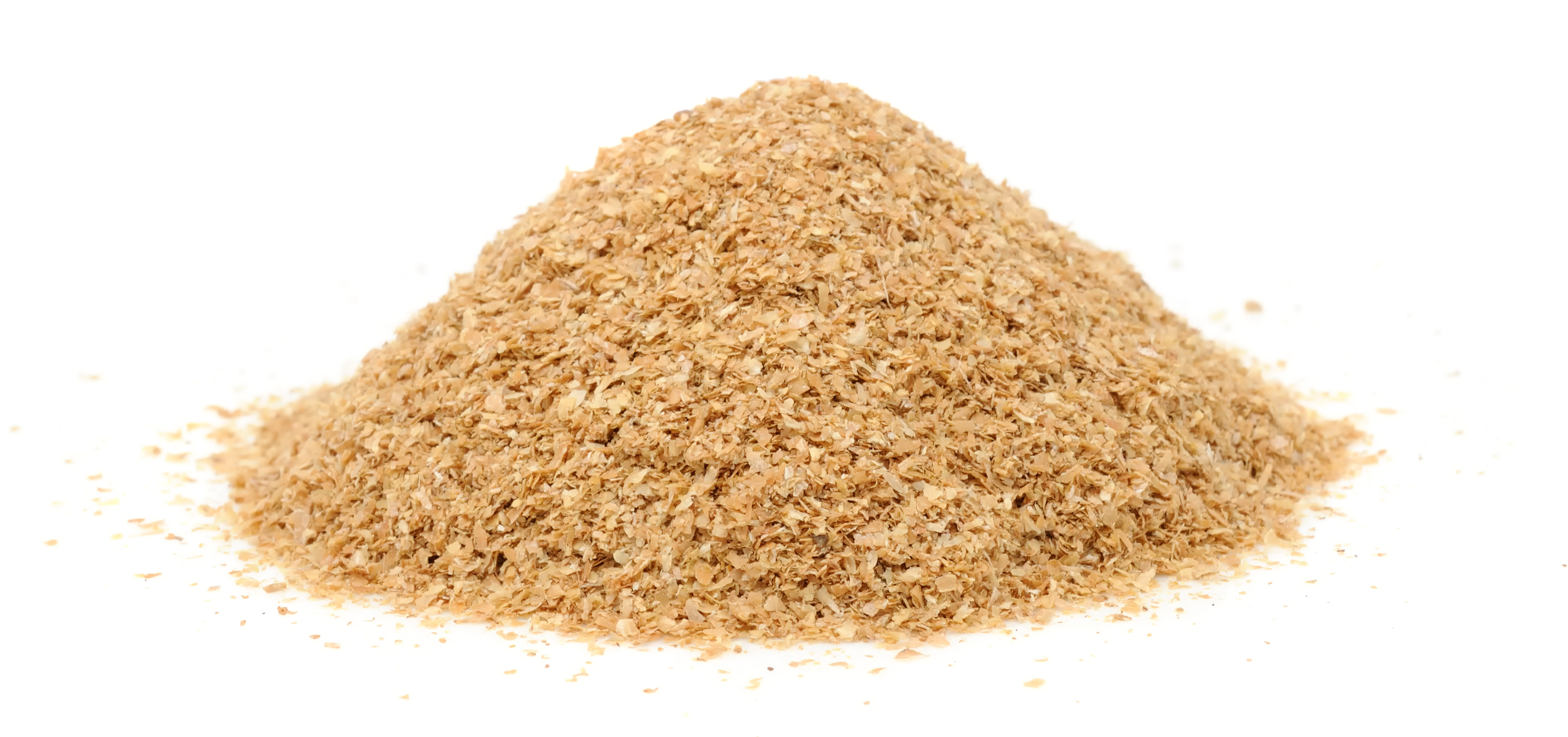
What is wheat Bran?

Bran is similar to other byproducts of the milling industry that found their way into livestock diets when manufacturers were searching for a profitable use for the byproducts.  When milling wheat the husk is removed before grinding the soft, inner kernel into flour. The husks are then turned into the large reddish-brown flakes known as Bran.

HappyHorseHealthyPlanet.com._Bran

Horses, people discovered, liked the taste of Bran. And millers are more than delighted to sell Bran cheaply to those who want to feed it to their horses.

What is the Nutritional Value of Bran?

Continue reading