B1 THIAMIN IN THE EQUINE DIET

HappyHOrseHealthyPlanet_B1 THIAMIN

What Does It Do?

The main function of thiamine is the metabolism of carbohydrates and protein.  Thiamin, known as B1 is required for fat metabolism as well.

There are three enzymes that require B1, they have big technical names that I won’t include here but they do have an important role in carbohydrate digestion, so I will mention them.

Continue reading

BODY CONDITION SCORING FOR HORSES

If you follow my blog you know I am always talking about this.  Vets use it, nutritionists use it, animal welfare organizations use it, because a BCS is a universal way of determining the current condition of your horse.  Specifically, what is the score on a ratings scale from 1 to 9 of your horse’s current weight.

Continue reading

The ABCs of Equine Nutrition; The Letter B

HappyHorseHealthyPlanet_ABC-B2

Wow!  There are a lot of topics in horse nutrition that begin with the letter “B“.  And those topics have a LOT of information!  Before we get into nutrients, toxins or any other nutrition topic, I would like to begin with a tool for you to use in determining your horse’s health. A way to help you see if your nutrition program is on the right track.  With that in mind we will start the letter B with Body Condition Scoring.

Continue reading

What is Acid Detergent Fiber (ADF) in Horse Hay?

Having your hay analyzed is a great idea.  It is the only way to determine the actual nutrient content of your hay.  It is important to know this so that you can be sure your horse is consuming an adequate diet.  You may or may not need to feed grain depending on the quality of your hay.  The better the quality of the hay you feed, the less grain you will need to feed.  This can be a significant savings.
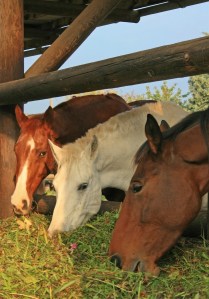
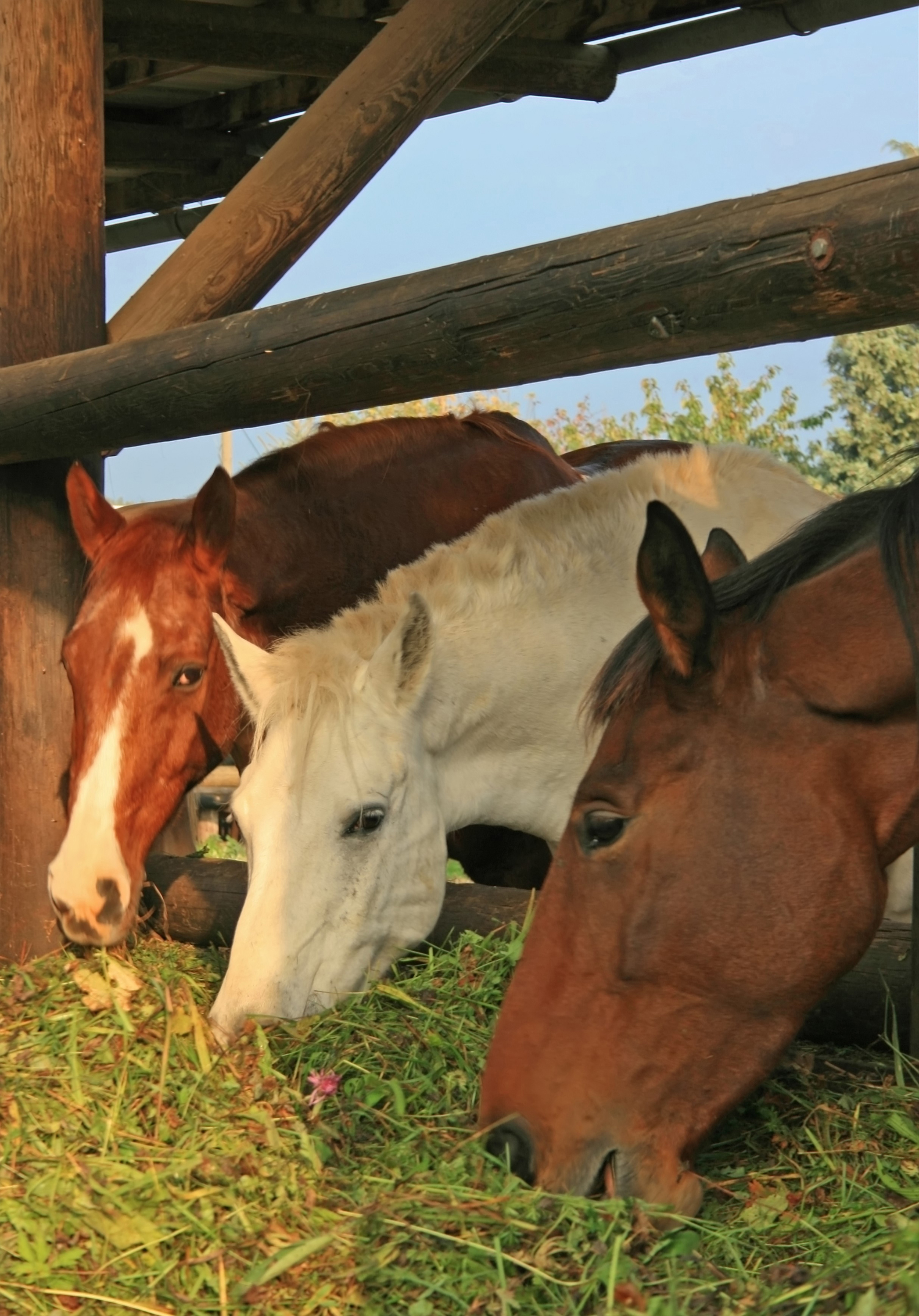
Guzzling Horses

When discussing hay quality or looking at your hay sample analysis results the acronym ADF is often heard or seen.  ADF stands for Acid Detergent Fiber and is the percentage of the plant material in the forage that is difficult for your horse to digest. This indigestible part contains cellulose, lignin, and silica.

Continue reading

Alfalfa in The Equine Diet….. The Pros & Cons:

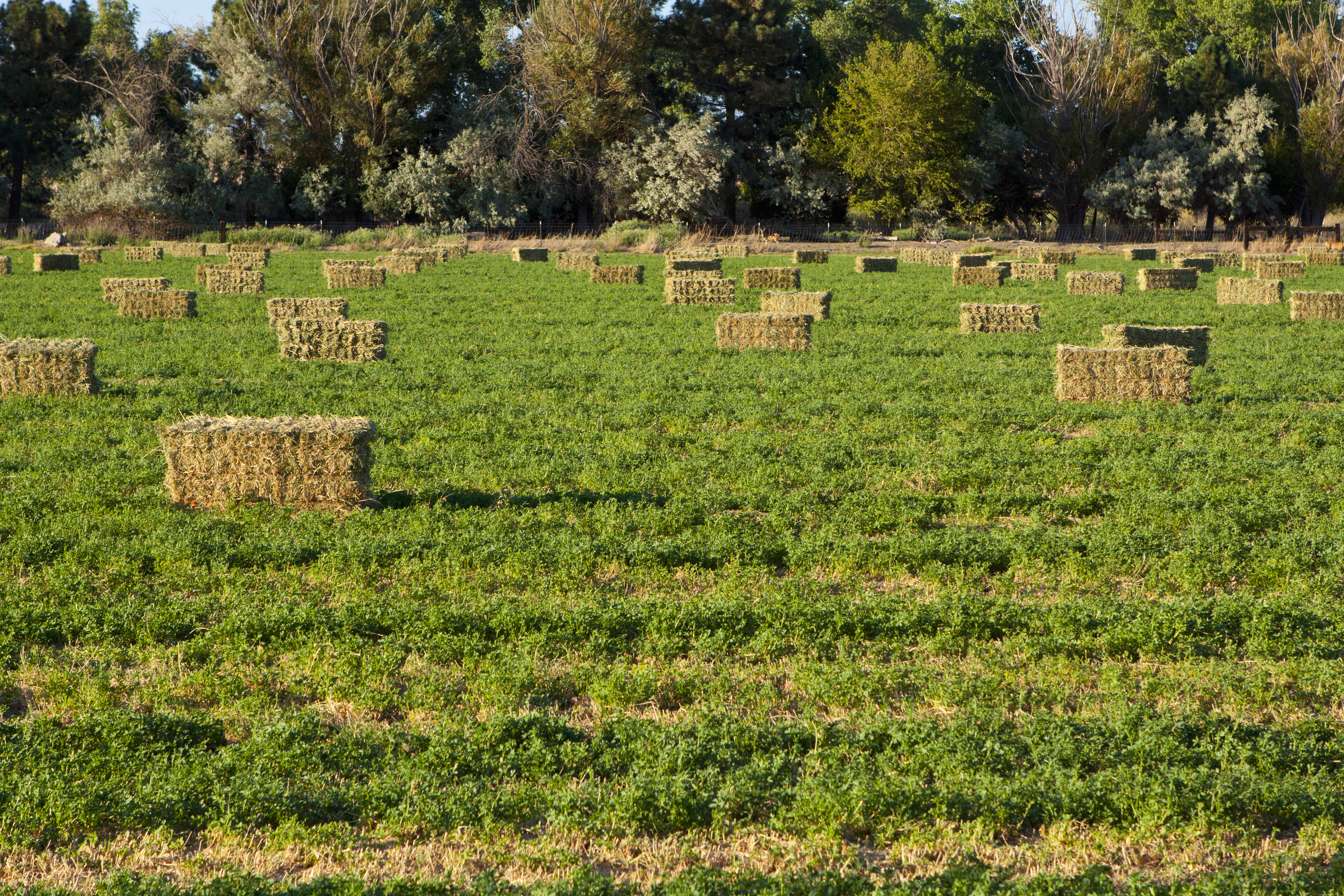
Horse hay comes in two forms: grass and legumes.  Common grass hay includes orchard grass, timothy and coastal Bermuda, less common are bromegrass and fescue.  Commonly fed legume hays are Alfalfa and clover.  The most productive and popular legume hay is Alfalfa as it is a highly nutritious and a high yield crop.

HappyHorseHealthyPlanet_Hay Bales

Alfalfa and the alfalfa–grass mixed hay is thought to be the most important hay in the U.S. horse industry. Not only is it the most nutritious hay for horses, Alfalfa is also considered ideal horse hay because of its availability.  In fact it is the only forage that is produced and sold in every state in the country.

Continue reading