Corn in the Equine Diet

Happy Horse Healthy Planet_CornWhat is it and where does it come from?

Corn, or maize as it’s known in many parts of the world, is a large grain plant domesticated by indigenous peoples in Mesoamerica in prehistoric times.  It constitutes more than 80% of the grain fed to animals in North America and, when fed correctly, it is a good-quality and nutritious grain for horses. Corn is grown in almost all states in America and is readily available to horse owners.

The leafy stalk produces ears which contain the grain, which are seeds called kernels. Because Corn is a hull-less grain, however, it is very high in starches.
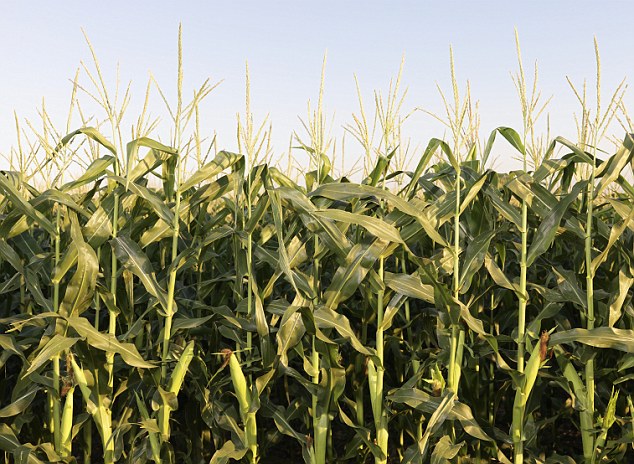
HappyHorse HealthyPlanet_Corn Field

Corn grain is a major feed grain and a standard component of livestock diets where it is used as a source of energy. Some of the by-products of Corn processing for flour (hominy feed, bran, germs, oil meal), starch (Corn gluten feed, Corn gluten meal) and alcohol/biofuel industries (distillers’ dried grains and solubles) can be fed to horses.

Corn quality is judged by the moisture content and percentage of well-formed kernels. When checking for quality the presence of damaged kernels should be accounted for.  
Continue reading

Concentrates in Horse Diet

HappyHorseHealthyPlanet._Concentrates_Cover

In equine nutrition solid feeds fall into three categories: forages (such as hay and grass), Concentrates (including grain or pelleted rations), and supplements (such as prepared vitamin or mineral pellets).  Basically any whole grain, formulated feed (sweet or pellet) or other non-forage, non-vitamin/mineral supplement is referred to as a Concentrate.

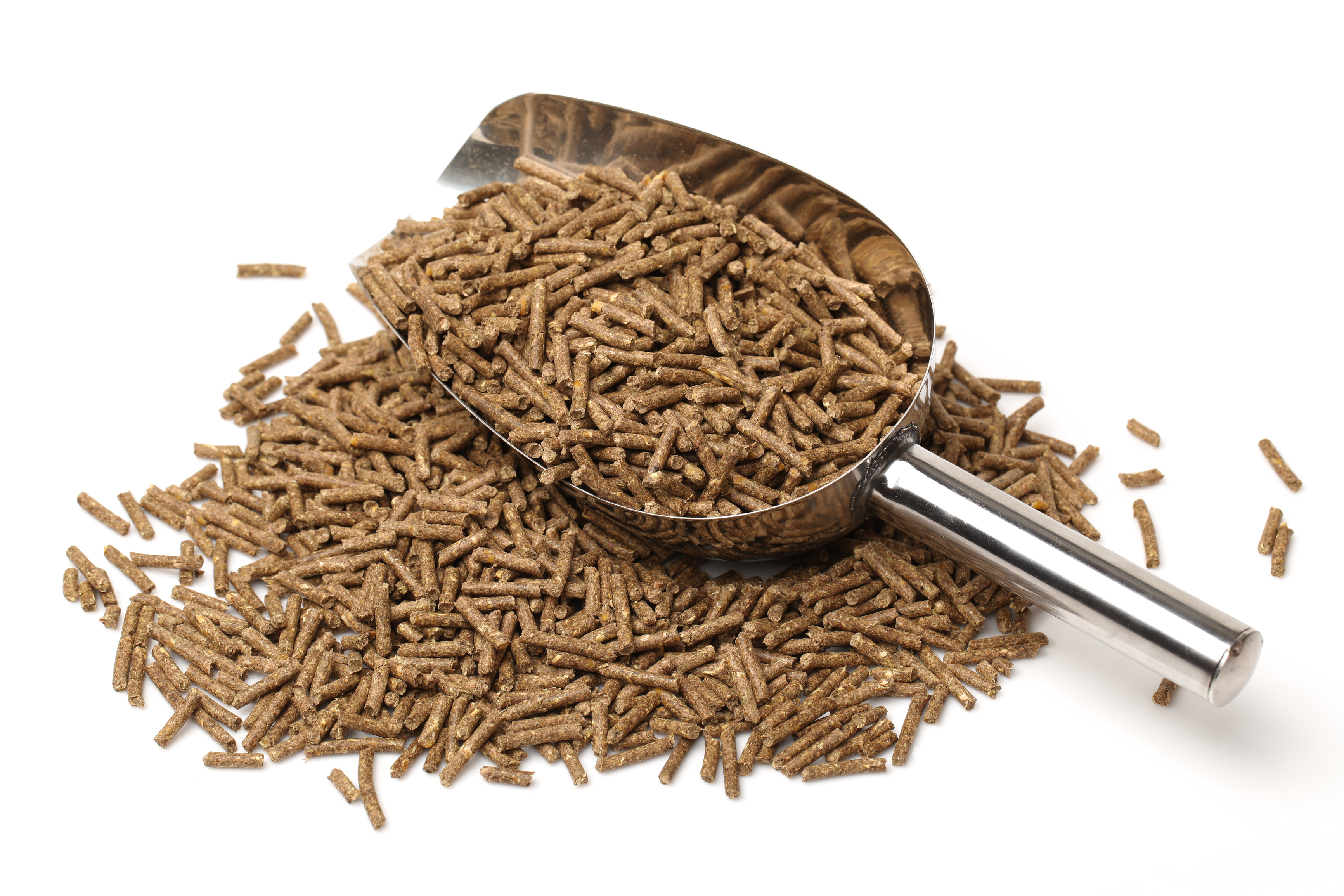
HappyHorseHealthyPlanet.com._Horse Feed Scoop

Pelleted Concentrate

The average horse should be able to get what it needs for maintenance from a diet of good quality forage.  Therefore, Concentrates should be considered only if certain nutrients are missing from the forage to meet the needs of the horse.

Depositphotos_4844621_mIn general, a mature horse does not require the energy that would be provided by Concentrate type feeds unless the horse is used for more than light work, in production such as a lactating mare or a breeding stallion, or if the horse is growing.

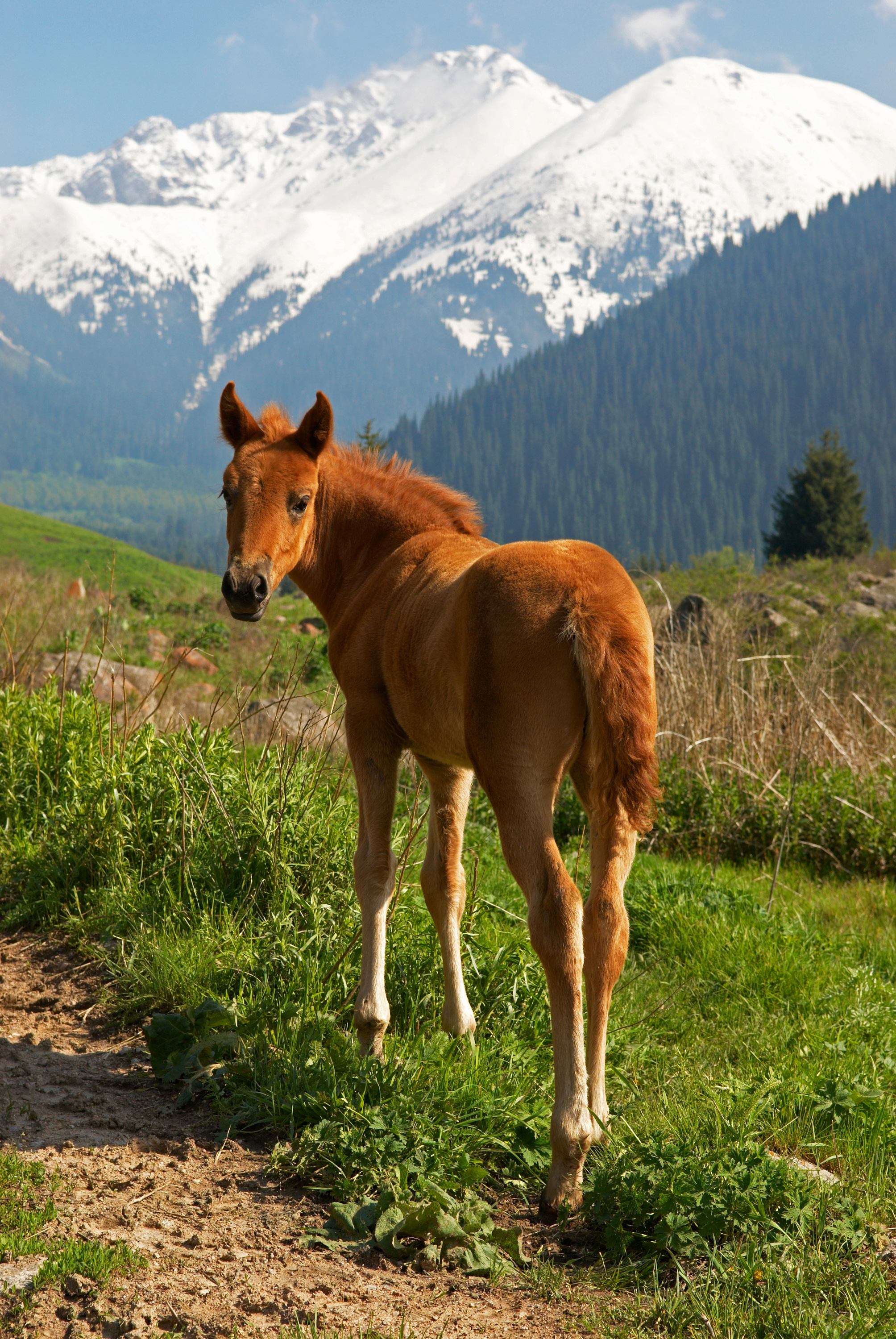
Free yong brown foal in mountainsIt’s important that horse owners understand the importance of a balanced the ration where the proper amount and ratios of minerals, vitamins, proteins, fats, carbohydrates, etc., are maintained for correct growth and maintenance. Too many times horses are over fed rather than underfed Concentrates.

Continue reading

Counting Calories in the Equine Diet

Happy Horse Healthy Planet.com._Caolories Cover

How many of you have counted Calories in your own diet?  Probably most of you are at least familiar with the term and that it provides your body with energy.  A Calorie is actually a measure of energy provided by the food we eat. It is the basic unit of heat energy defined as the amount of heat required to raise one gram of water one degree Celsius.  

All living things have energy requirements. The goal for health (and a healthy weight) is to balance the energy obtained through eating with the energy required by the body. You know, “Calories in/ Calories out.”  This is also true for your horse.

All animals need a certain amount of energy for basic body functions like keeping their hearts beating, digestion, and to maintain body temperature.  This maintenance level of energy is considered the basal metabolic rate. In general, when we refer to “maintenance” levels it usually refers to a mature horse (not growing) that is not in any work, breeding, reproducing or under any weather stressors. But that isn’t very realistic because as we all know there are “easy keepers” and “hardkeepers” with very different “maintenance “needs.

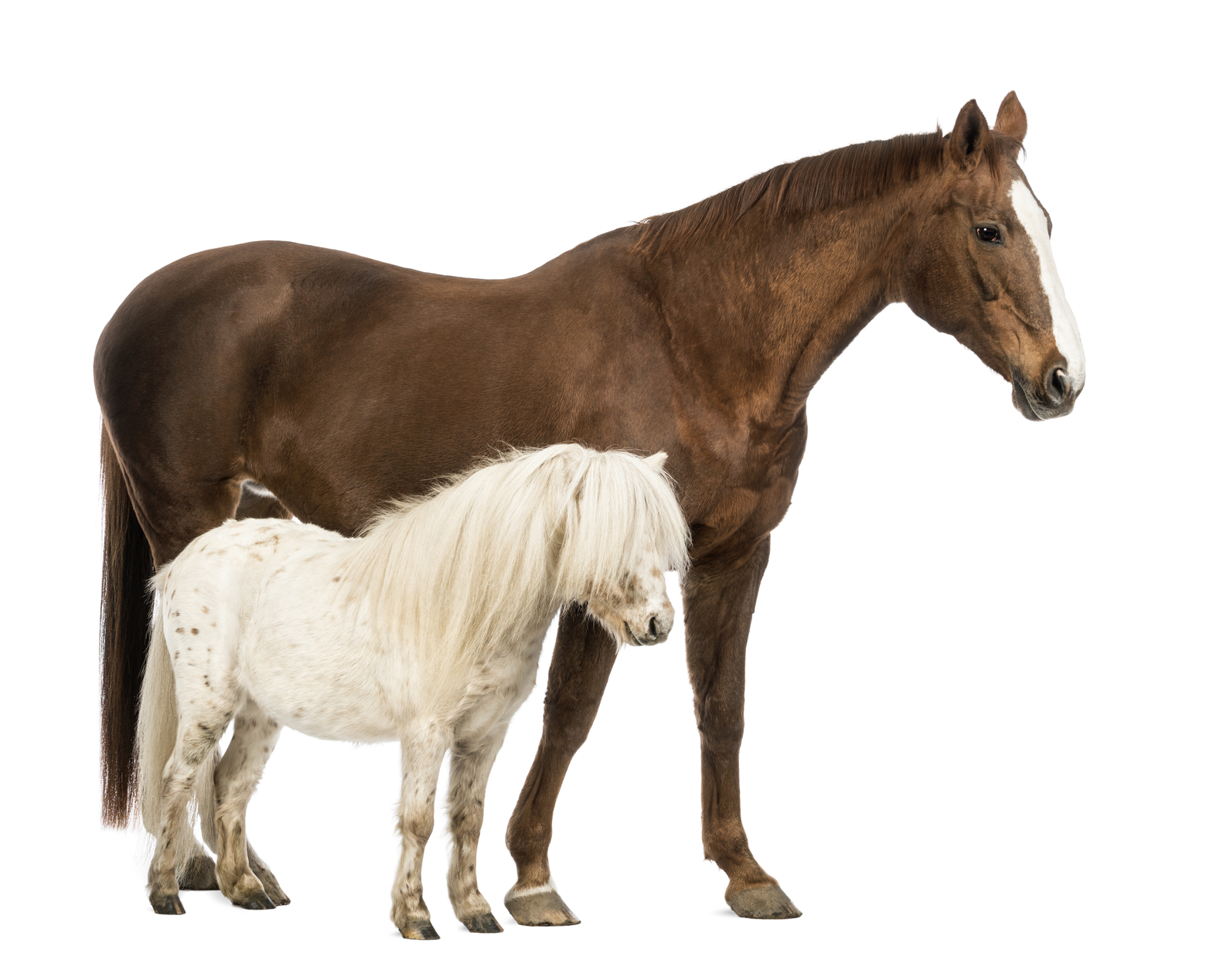
So, in reality this amount of maintenance energy is really related to body size and disposition, for example a hot 17 hand thoroughbred will have a higher energy requirement than a laid back Shetland pony.

Equine Nutrition Nerd_Horse and Shetland standing next to each other in front of white background

In 2007, The National Research Council (NRC) finally updated The Nutrient Requirements of the Horse (the nutrition bible) and they added three levels of “maintenance”; high-level (think hard keeper), medium level and low level (think easy keeper).

Continue reading

BEE POLLEN FOR HORSES

What is It and Where Does it Come From?

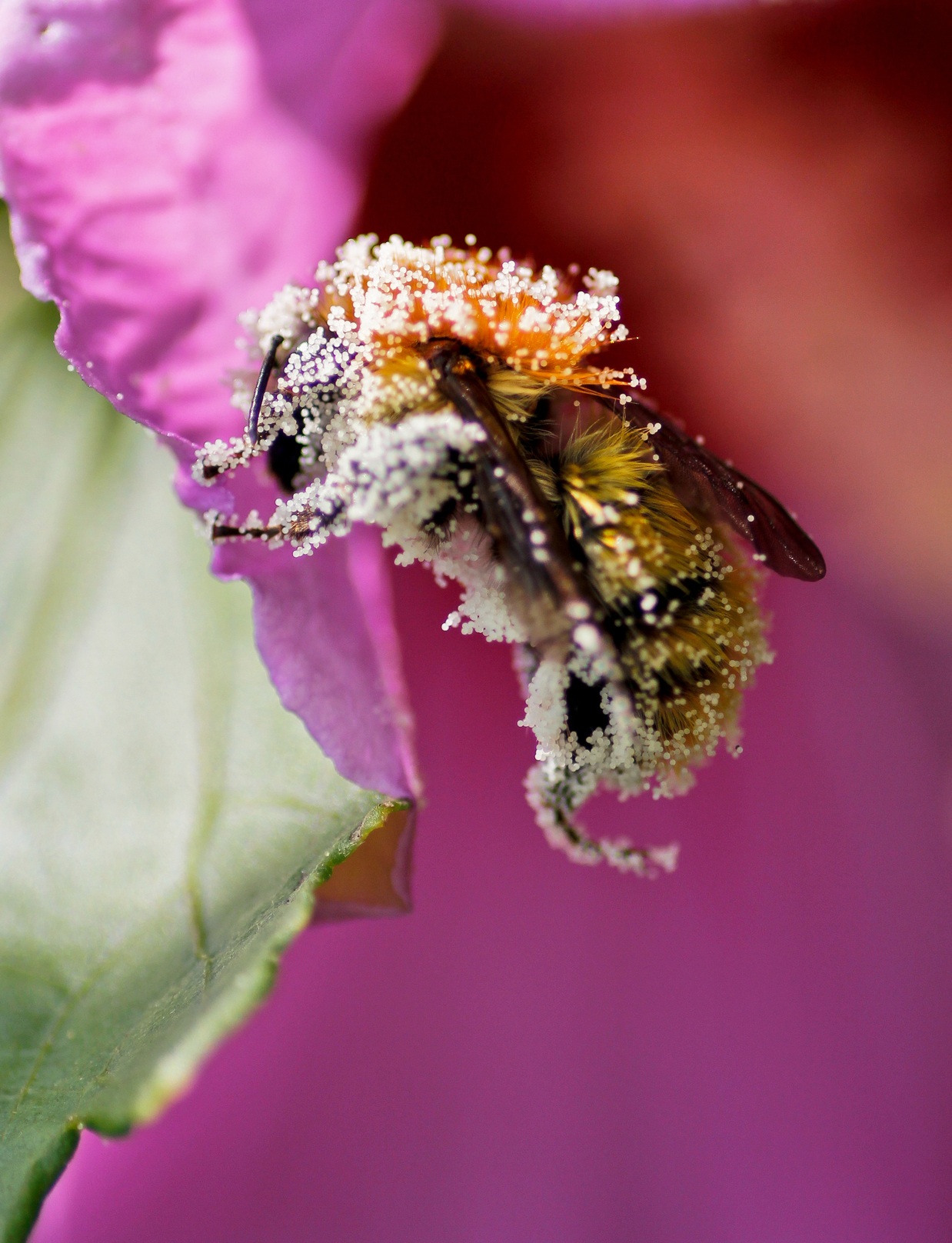
Bee Pollen has been called one of nature’s most perfect foods.  Bee Pollen contains the male gametes of plants found as small dust pellets in the stamen of flowers.  The male germ cell of plants is the most nutritious part. When the bee lands it get covered in the pollen.  The pollen is brushed off the bees legs with a special device that is placed at the entrance of the hive by the bee keeper.

bee pollen plated

What is the Nutritional Value?

Bee pollen is packed full of antioxidants, vitamins, minerals and hormones in combination with digestive enzymes from the bees.  Scientists agree that enzymes are absolutely essential for every biochemical function of the body.

Continue reading