BEE POLLEN FOR HORSES

What is It and Where Does it Come From?

Bee Pollen has been called one of nature’s most perfect foods.  Bee Pollen contains the male gametes of plants found as small dust pellets in the stamen of flowers.  The male germ cell of plants is the most nutritious part. When the bee lands it get covered in the pollen.  The pollen is brushed off the bees legs with a special device that is placed at the entrance of the hive by the bee keeper.
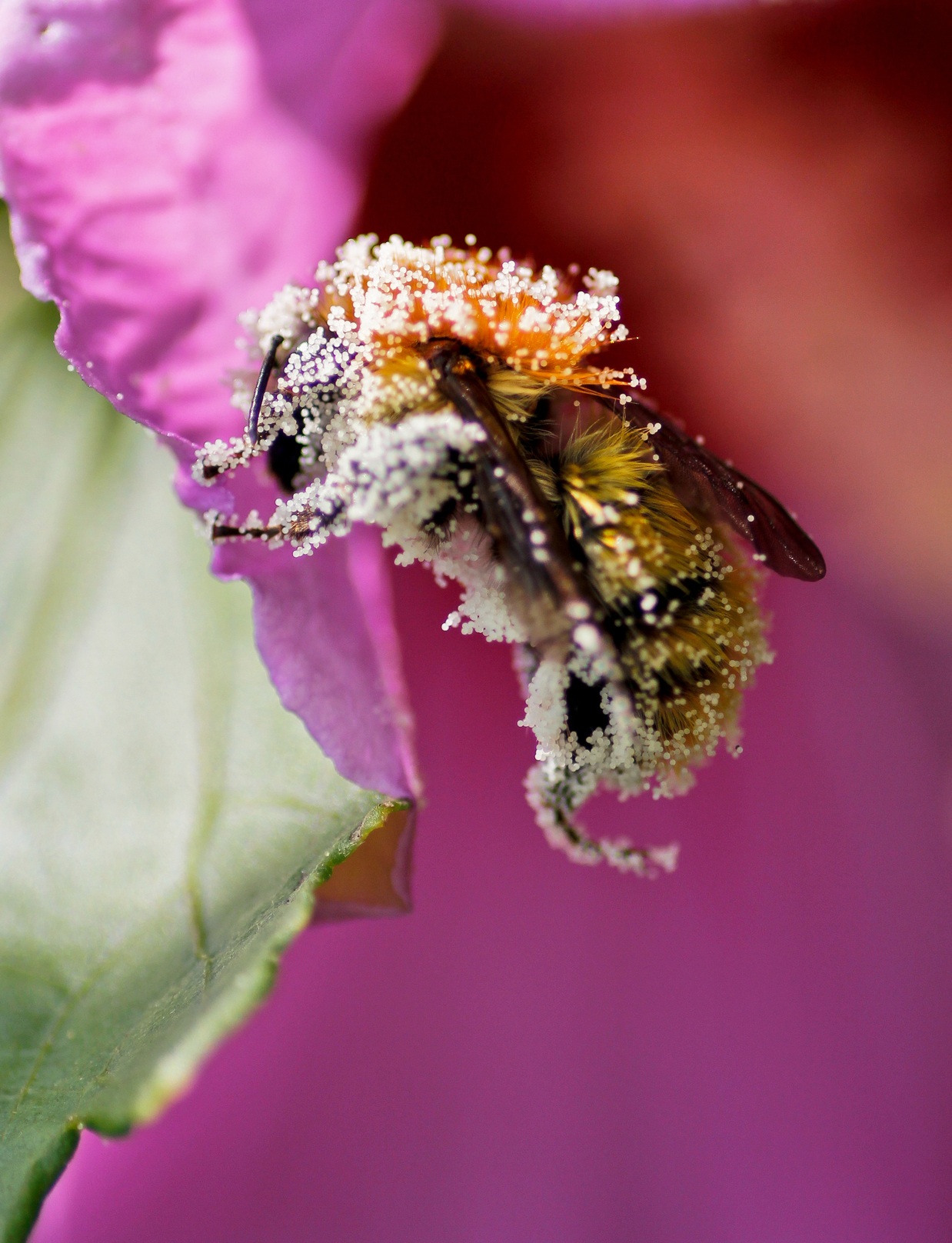
bee pollen plated

What is the Nutritional Value?

Bee pollen is packed full of antioxidants, vitamins, minerals and hormones in combination with digestive enzymes from the bees.  Scientists agree that enzymes are absolutely essential for every biochemical function of the body.

Continue reading
BLISTER BEETLES DANGERS FOR HORSES

What is a Blister Beetle and What Does it Look Like?

Blister Beetles are members of a family of plant-feeding insects (Meloidae) that contain a toxic defensive chemical known as cantharidin.  This chemical protects them from predators.  Accidentally crushing a Beetle against the skin can result in a painful blister, the source of the insect’s common name. 

Blister Beetles have long (3/4 to 1-1/4 inch) narrow bodies, broad heads, and antennae that are about 1/3 the length of their entire bodies. The front wings are soft and flexible in contrast to the hard front wings of most Beetles.

Continue reading

BRAN IN THE EQUINE DIET

What is wheat Bran?

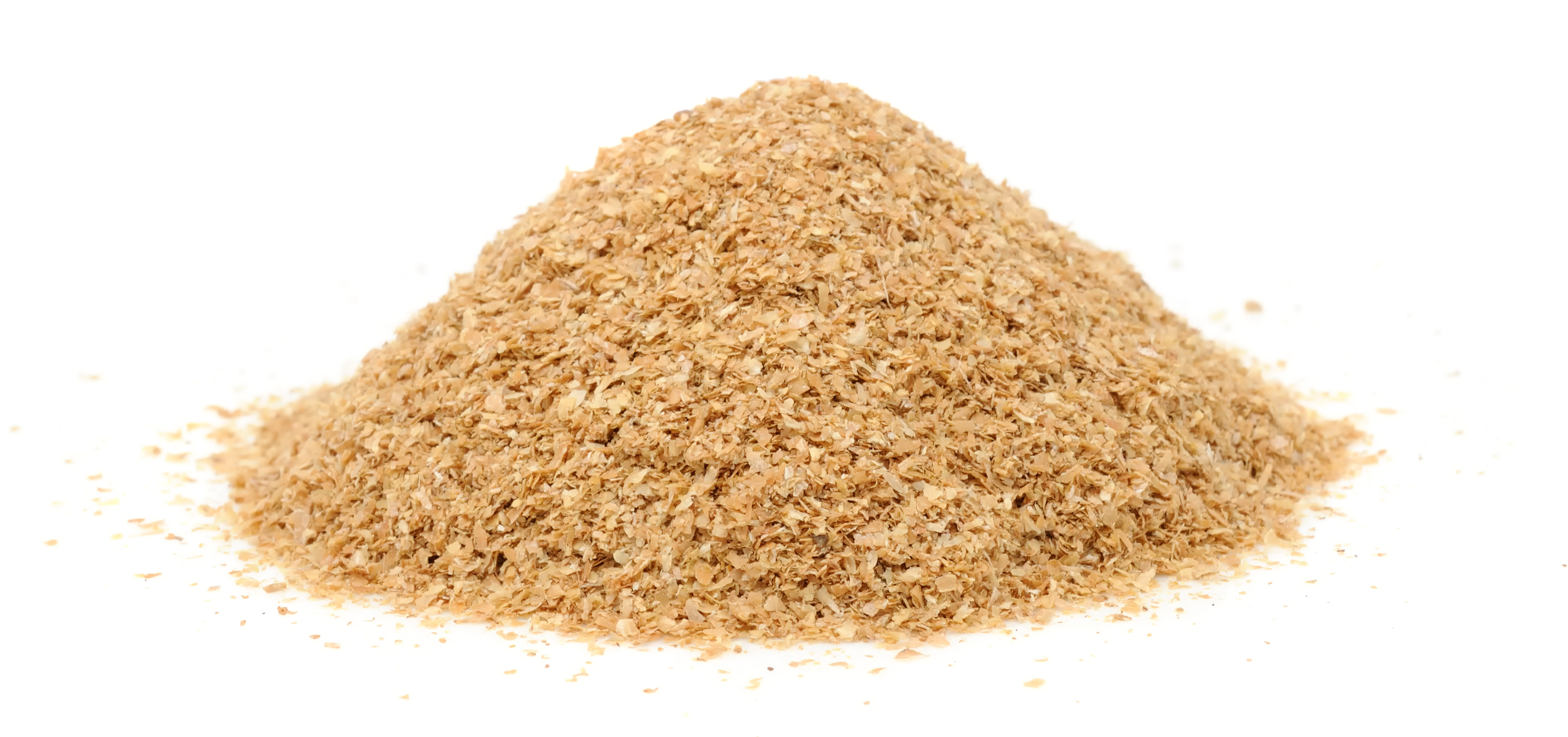
Bran is similar to other byproducts of the milling industry that found their way into livestock diets when manufacturers were searching for a profitable use for the byproducts.  When milling wheat the husk is removed before grinding the soft, inner kernel into flour. The husks are then turned into the large reddish-brown flakes known as Bran.

HappyHorseHealthyPlanet.com._Bran

Horses, people discovered, liked the taste of Bran. And millers are more than delighted to sell Bran cheaply to those who want to feed it to their horses.

What is the Nutritional Value of Bran?

Continue reading

BEET PULP IN THE EQUINE DIET

What is it?

Beet pulp is a highly digestible fiber source that is a byproduct in the processing of sugar beets for sugar.  It’s basically what’s left over after the sugar is extracted from sugar beets.

Sugar beet

Since the sugar beet industry is happy to have a way dispose of the pulp, it is one of the more inexpensive feeds available to supplement in your horse’s diet. Beet pulp is similar in energy value to oats but the energy comes from digestible fiber and not from starch making it healthier.

What is the Nutritional Value of Beet Pulp?

Beet pulp has about the same protein as a good grass hay, averaging 8 to 10%, however it is higher in calories than hay. It is a good source of fermentable fiber, is fairly high in calcium, high in crude fiber but basically has no vitamin content.

Continue reading

B VITAMINS IN THE EQUINE DIET

HappyHorseHealthyPlanet.com._B Vitamin

All B vitamins help the body convert food (carbohydrates) into fuel (glucose), which is used to produce energy.  B vitamins, often referred to as B complex vitamins, also help the body use fats and protein. B complex vitamins are needed for healthy skin, hair, eyes, and liver and they also help the nervous system function properly.

Vitamins are a class of nutrients that are required in small amounts by the horse. Vitamins can be divided into two types; fat soluble and water soluble. B Vitamins are water soluble so therefore are not stored in the fat and can be more safely added to a horse’s diet without risk of toxicity.  Vitamins that are water soluble are excreted from the body on a daily basis in the urine.

Continue reading