

How many of you have counted Calories in your own diet? Probably most of you are at least familiar with the term and that it provides your body with energy. A Calorie is actually a measure of energy provided by the food we eat. It is the basic unit of heat energy defined as the amount of heat required to raise one gram of water one degree Celsius.
All living things have energy requirements. The goal for health (and a healthy weight) is to balance the energy obtained through eating with the energy required by the body. You know, “Calories in/ Calories out.” This is also true for your horse.
All animals need a certain amount of energy for basic body functions like keeping their hearts beating, digestion, and to maintain body temperature. This maintenance level of energy is considered the basal metabolic rate. In general, when we refer to “maintenance” levels it usually refers to a mature horse (not growing) that is not in any work, breeding, reproducing or under any weather stressors. But that isn’t very realistic because as we all know there are “easy keepers” and “hardkeepers” with very different “maintenance “needs.
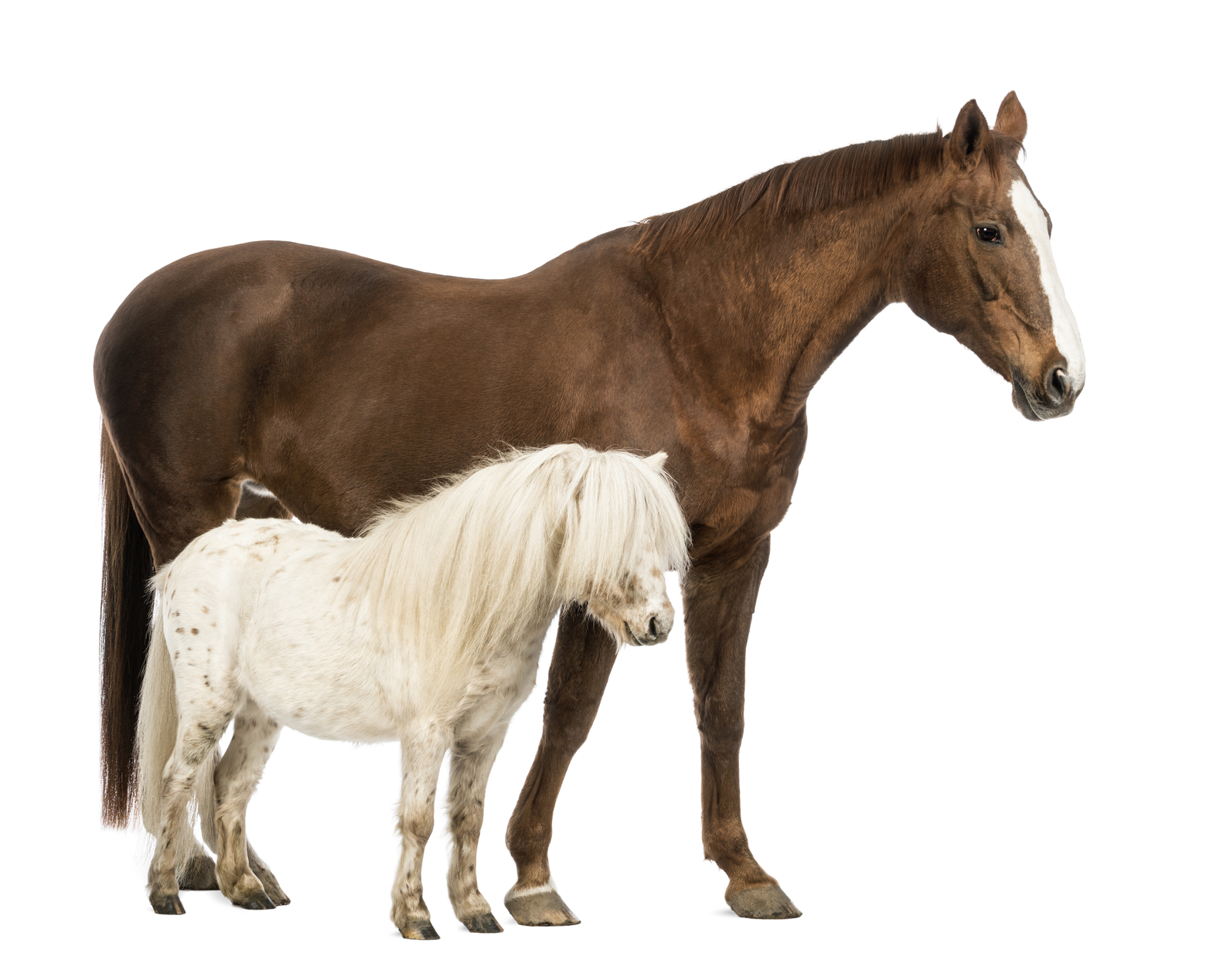
So, in reality this amount of maintenance energy is really related to body size and disposition, for example a hot 17 hand thoroughbred will have a higher energy requirement than a laid back Shetland pony.
In 2007, The National Research Council (NRC) finally updated The Nutrient Requirements of the Horse (the nutrition bible) and they added three levels of “maintenance”; high-level (think hard keeper), medium level and low level (think easy keeper).
 The Equine Nutrition Nerd
You must be logged in to post a comment.