
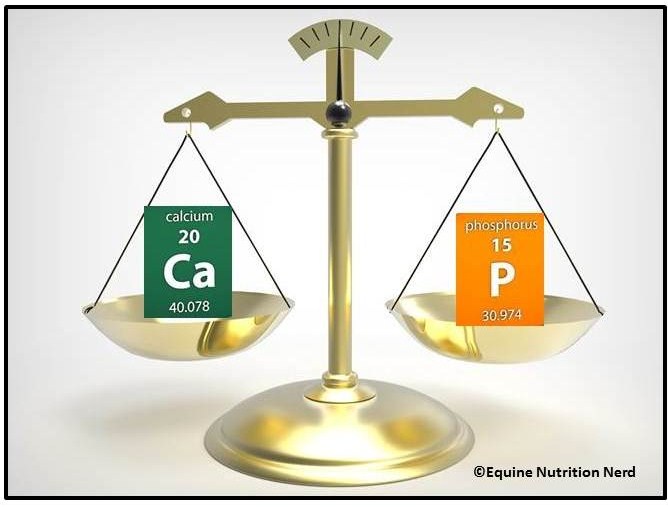
I have found that this equation in minerals gets a lot of attention but little understanding as to why it is so important. Therefore, I would like to keep this simple and stress that a horse fed a diet based on quality forage should not have any issues with this, and their owners should have little concern. When I see diets that are heavy in grain or a particular feedstuff (let’s say rice bran) then I will do a ration analysis to make sure this ratio is not out of whack. Here’s why.
Why is it so important?
Besides salt, Calcium and phosphorous are the two critical minerals needed in horse nutrition. Calcium and phosphorus are the most abundant minerals in the body, making up 70% of the total mineral content. They are both macro minerals and needed in large quantity by the horse.
In contrast, the micro minerals such as copper, iodine, iron, manganese, selenium, and zinc are required by the horse in small (trace) amounts.
As with humans, Calcium is necessary for strong, healthy bones with 99% of the Calcium in the body being contained in the bones and teeth. In the horse it plays a vital role in maintaining strong and healthy bones, cartilage and joints for performance without injury/breakdown.
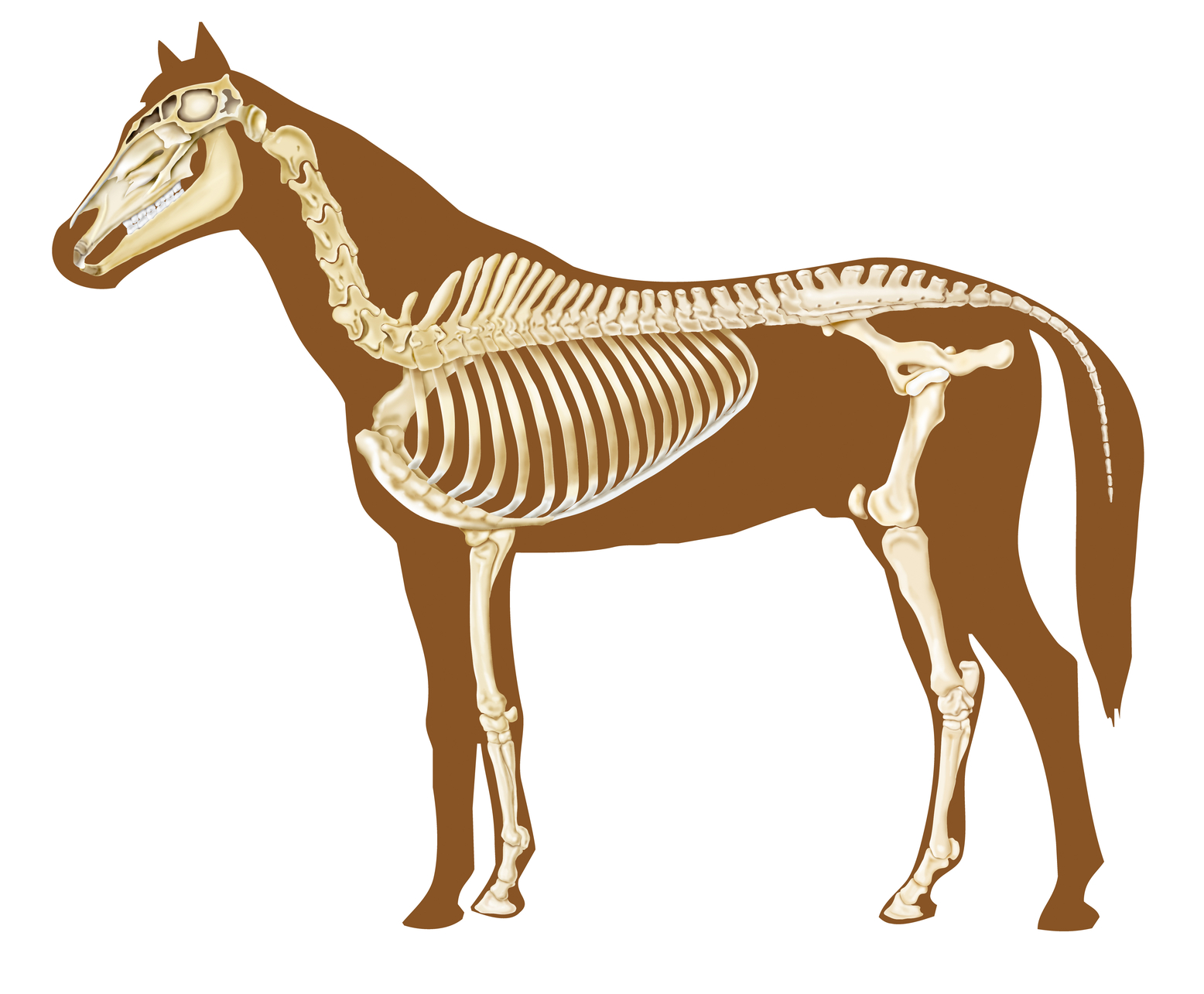
Other less known functions of Calcium in the horse include roles in metabolism, nerve impulses, heart and diaphragm contraction and the functioning of the GI muscle for digestion. Calcium also has a role in specific metabolic reactions such as blood clotting, normal cell membrane function, glandular secretion, temperature regulation, regulating activity of many enzymes, and cellular activity.
 The Equine Nutrition Nerd
You must be logged in to post a comment.