Concentrates in Horse Diet

HappyHorseHealthyPlanet._Concentrates_Cover

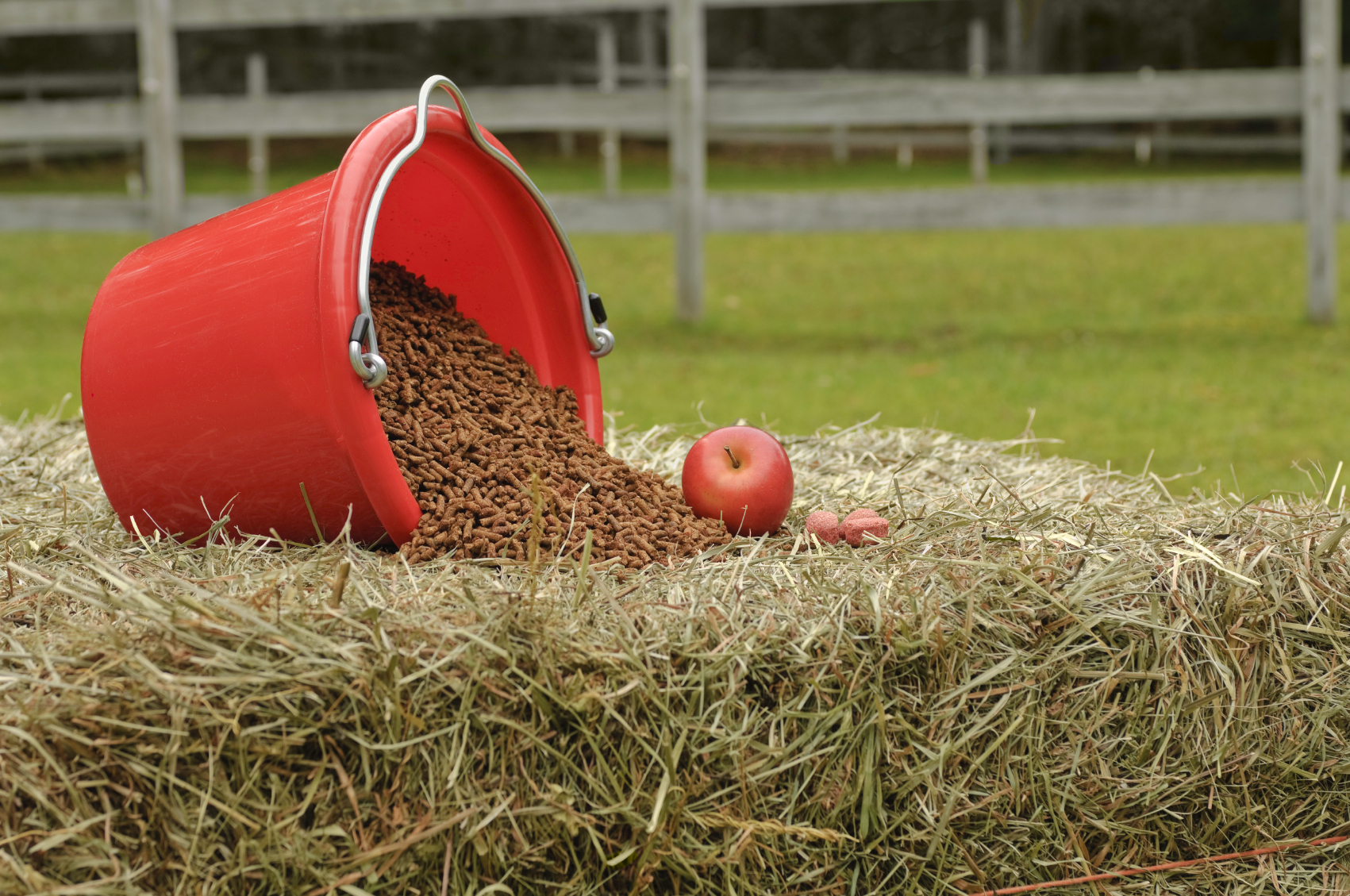
In equine nutrition solid feeds fall into three categories: forages (such as hay and grass), Concentrates (including grain or pelleted rations), and supplements (such as prepared vitamin or mineral pellets).  Basically any whole grain, formulated feed (sweet or pellet) or other non-forage, non-vitamin/mineral supplement is referred to as a Concentrate.
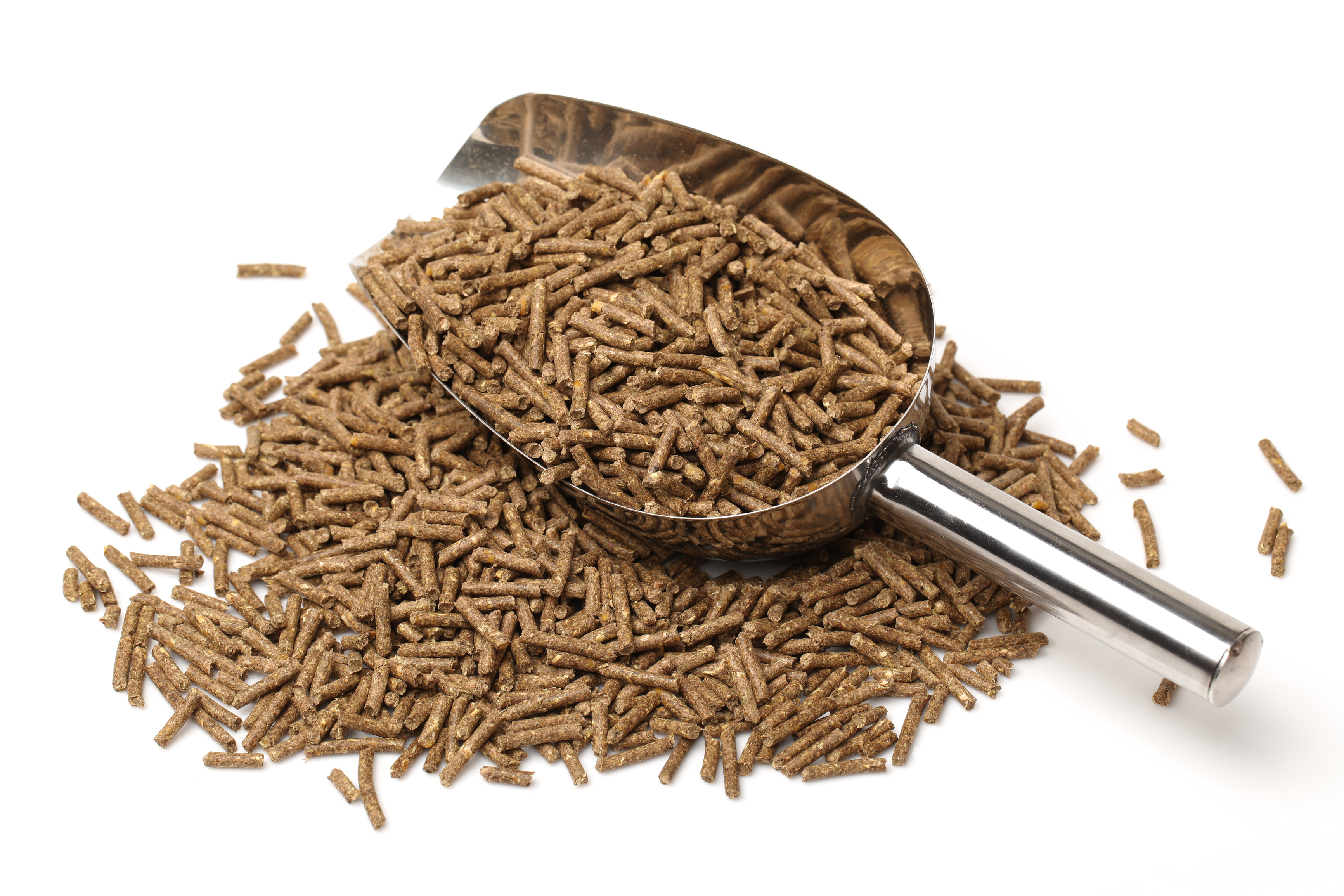
HappyHorseHealthyPlanet.com._Horse Feed Scoop

Pelleted Concentrate

The average horse should be able to get what it needs for maintenance from a diet of good quality forage.  Therefore, Concentrates should be considered only if certain nutrients are missing from the forage to meet the needs of the horse.
Depositphotos_4844621_mIn general, a mature horse does not require the energy that would be provided by Concentrate type feeds unless the horse is used for more than light work, in production such as a lactating mare or a breeding stallion, or if the horse is growing.
Free yong brown foal in mountainsIt’s important that horse owners understand the importance of a balanced the ration where the proper amount and ratios of minerals, vitamins, proteins, fats, carbohydrates, etc., are maintained for correct growth and maintenance. Too many times horses are over fed rather than underfed Concentrates.

Continue reading

Complete Feeds For Horses

HappyHorseHealthyPlanet.ENN_Complete Feeds CoverWhat are they?

A Complete feed is a fortified grain/forage mix that is formulated with high quality fiber sources.  This means that the feed contains enough fiber (in addition to minerals and vitamins) that a horse can live on that diet without supplemental hay or pasture.

Most Complete feeds have a fiber content of 15% or more and use good digestible fiber sources such as alfalfa, beet pulp, and soy hulls.  They have both the grain and roughage in them and are designed to (at least) partially replace the forage (hay and/or pasture) in your horse’s diet.

Continue reading

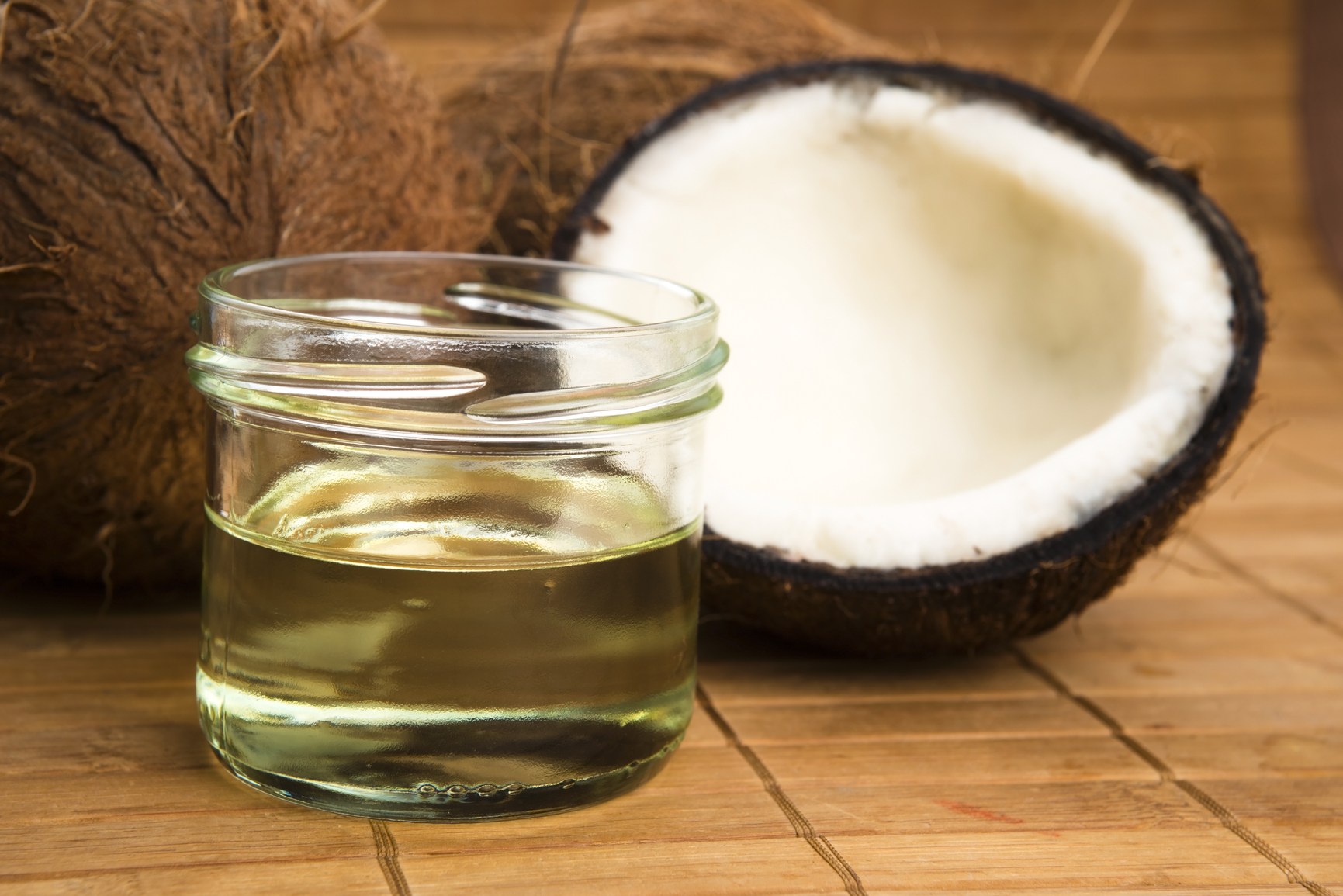
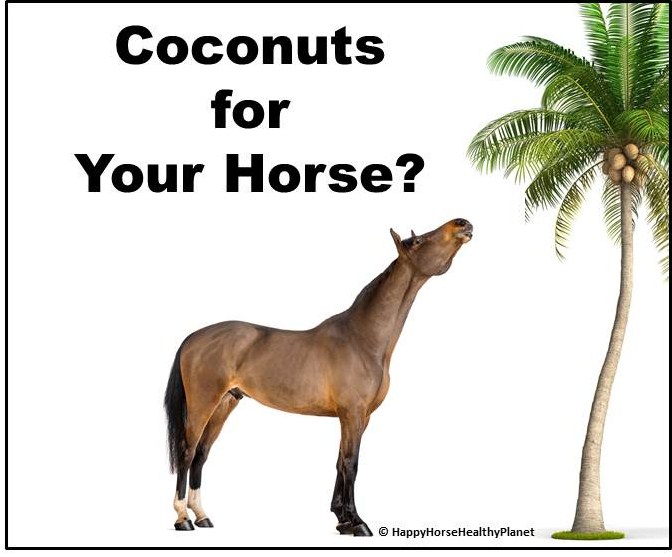
Cuckoo For Coconuts; Coconut Meal & Oil in Your Horse’s Diet

HappyHorseHealthyPlanet.Coconuts_Cover

While I believe that following fads in equine nutrition is all too common and sometimes risky, every once in a while, something comes along that has the potential to really add to value. Coconut meal and oil is such a product.

What is it and where does it come from?

Copra meal, or Coconut meal, is a feed ingredient that is the by-product of the oil extraction from dried Coconut kernels.  It comes from the white part of the Coconut, not the shell or husk.  The nut is split and the kernel is removed and dried to below 6% moisture.

The dried Coconut is ground, flaked and cooked until moisture is brought down to 3%. The oil is mechanically extracted from the flakes using an expeller machine, resulting in low-colored oil and a copra cake containing about 7% oil.

Coconut oil for alternative therapy

Coconut meal is rarely a main ingredient in horse feed. Currently it seems to be fed primarily as a supplement in regions where Coconuts are grown and processed or where the product is easily available.

Coconut meal can be pelletized and used as a feed or be used as a protein supplement for grass-fed animals, either alone or in combination with other protein sources.

Continue reading

Carbohydrates in the Equine Diet

HappyHorseHealthyPlanet.Carbohydrates_Cover

You know we can’t discuss equine nutrition without covering Carbs.  Especially since Carbohydrates pretty much make up your horse’s entire diet including forages, grains, and by-products of forage and grain.  

sugary-grain-n-treats2.jpg                                                                                                                                                                              I want to keep it simple so you finish with a good understanding of what all the fuss is about regarding Carbohydrates.  Carbohydrate (CHO) is the collective term for starches, sugars and fiber in your horse’s diet.  If you are feeding correctly, this diet should be composed mostly of forage, as in grass, hay, haylage, beet pulp, etc.  Forages provide the structural CHOs a horse can ferment well.  Forages also provide a horse with some simple Carbs such as starch and sugar.

There are two kinds of Carbohydrates; Structural and Non-Structural. Continue reading

Counting Calories in the Equine Diet

Happy Horse Healthy Planet.com._Caolories Cover

How many of you have counted Calories in your own diet?  Probably most of you are at least familiar with the term and that it provides your body with energy.  A Calorie is actually a measure of energy provided by the food we eat. It is the basic unit of heat energy defined as the amount of heat required to raise one gram of water one degree Celsius.  

All living things have energy requirements. The goal for health (and a healthy weight) is to balance the energy obtained through eating with the energy required by the body. You know, “Calories in/ Calories out.”  This is also true for your horse.

All animals need a certain amount of energy for basic body functions like keeping their hearts beating, digestion, and to maintain body temperature.  This maintenance level of energy is considered the basal metabolic rate. In general, when we refer to “maintenance” levels it usually refers to a mature horse (not growing) that is not in any work, breeding, reproducing or under any weather stressors. But that isn’t very realistic because as we all know there are “easy keepers” and “hardkeepers” with very different “maintenance “needs.

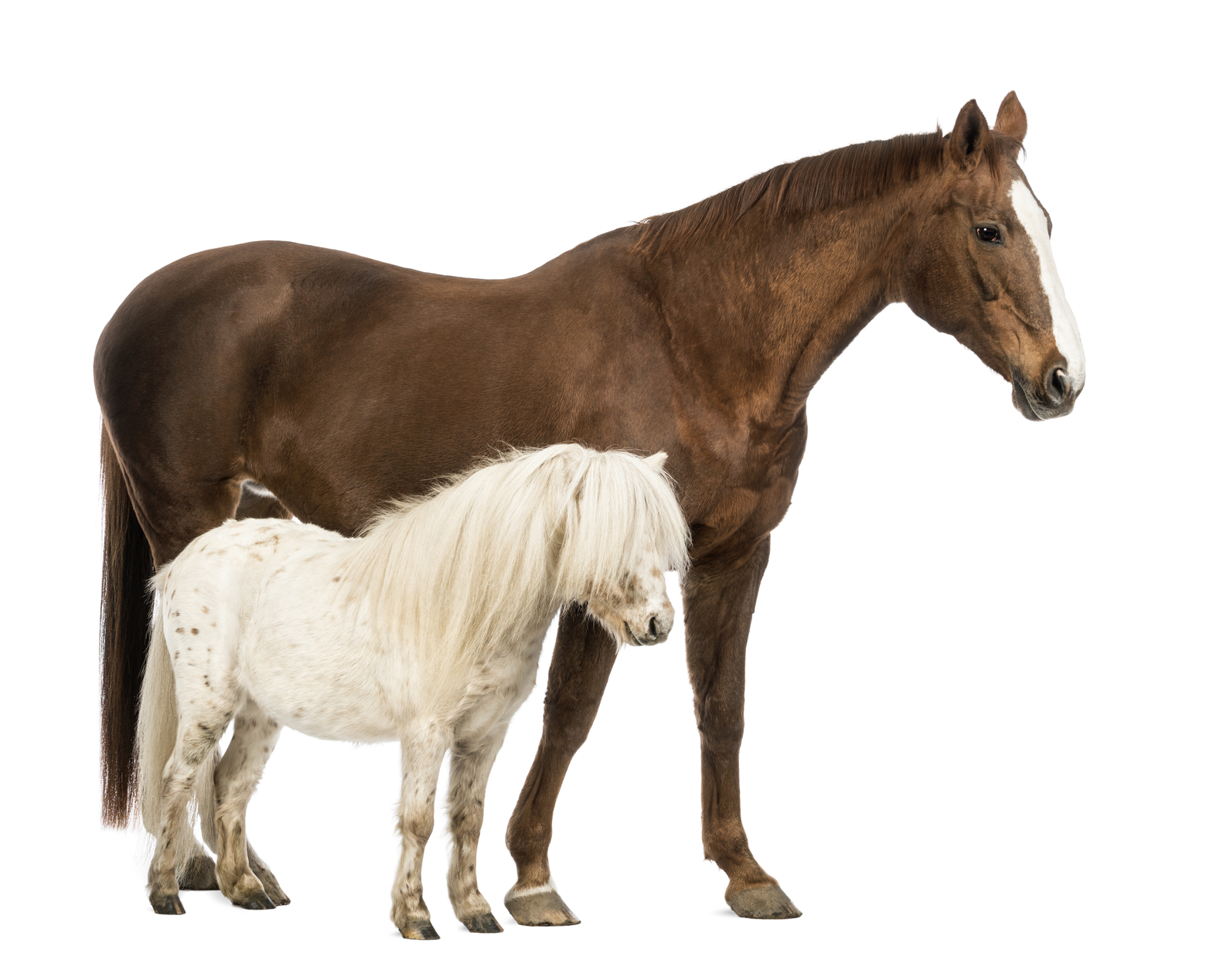
So, in reality this amount of maintenance energy is really related to body size and disposition, for example a hot 17 hand thoroughbred will have a higher energy requirement than a laid back Shetland pony.

Equine Nutrition Nerd_Horse and Shetland standing next to each other in front of white background

In 2007, The National Research Council (NRC) finally updated The Nutrient Requirements of the Horse (the nutrition bible) and they added three levels of “maintenance”; high-level (think hard keeper), medium level and low level (think easy keeper).

Continue reading