Counting Calories in the Equine Diet

Happy Horse Healthy Planet.com._Caolories Cover

How many of you have counted Calories in your own diet?  Probably most of you are at least familiar with the term and that it provides your body with energy.  A Calorie is actually a measure of energy provided by the food we eat. It is the basic unit of heat energy defined as the amount of heat required to raise one gram of water one degree Celsius.  

All living things have energy requirements. The goal for health (and a healthy weight) is to balance the energy obtained through eating with the energy required by the body. You know, “Calories in/ Calories out.”  This is also true for your horse.

All animals need a certain amount of energy for basic body functions like keeping their hearts beating, digestion, and to maintain body temperature.  This maintenance level of energy is considered the basal metabolic rate. In general, when we refer to “maintenance” levels it usually refers to a mature horse (not growing) that is not in any work, breeding, reproducing or under any weather stressors. But that isn’t very realistic because as we all know there are “easy keepers” and “hardkeepers” with very different “maintenance “needs.

So, in reality this amount of maintenance energy is really related to body size and disposition, for example a hot 17 hand thoroughbred will have a higher energy requirement than a laid back Shetland pony.
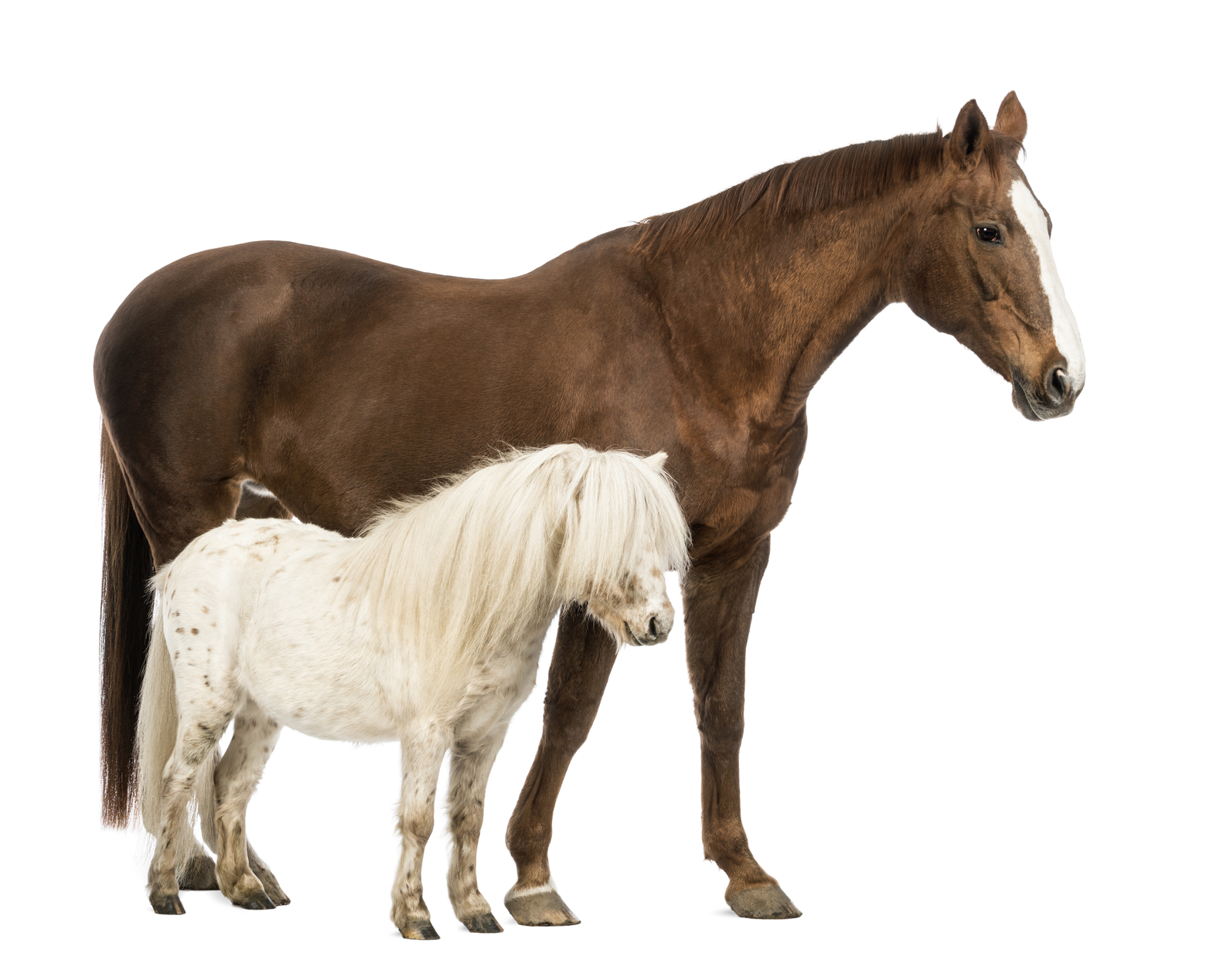
Equine Nutrition Nerd_Horse and Shetland standing next to each other in front of white background

In 2007, The National Research Council (NRC) finally updated The Nutrient Requirements of the Horse (the nutrition bible) and they added three levels of “maintenance”; high-level (think hard keeper), medium level and low level (think easy keeper).
Continue reading

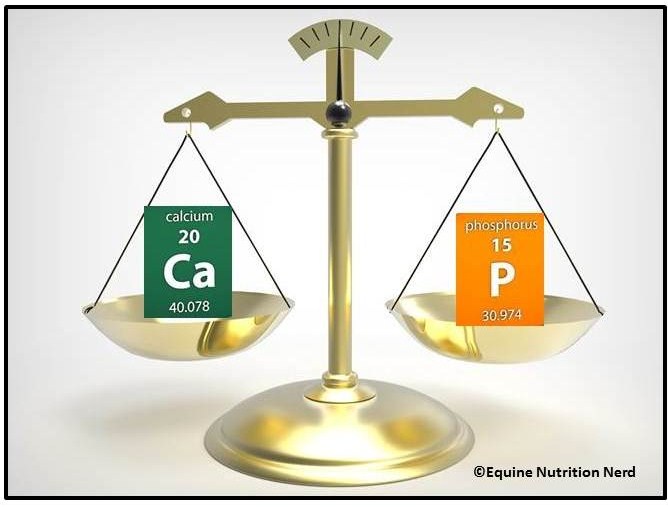
Calcium Phosphorus Ratio in the Equine Diet

HappyHorseHealthyPlanet_Ca_P Ratio

I have found that this equation in minerals gets a lot of attention but little understanding as to why it is so important.  Therefore, I would like to keep this simple and stress that a horse fed a diet based on quality forage should not have any issues with this, and their owners should have little concern.  When I see diets that are heavy in grain or a particular feedstuff (let’s say rice bran) then I will do a ration analysis to make sure this ratio is not out of whack.  Here’s why.

Why is it so important?

Besides salt, Calcium and phosphorous are the two critical minerals needed in horse nutrition.  Calcium and phosphorus are the most abundant minerals in the body, making up 70% of the total mineral content.  They are both macro minerals and needed in large quantity by the horse.

In contrast, the micro minerals such as copper, iodine, iron, manganese, selenium, and zinc are required by the horse in small (trace) amounts.

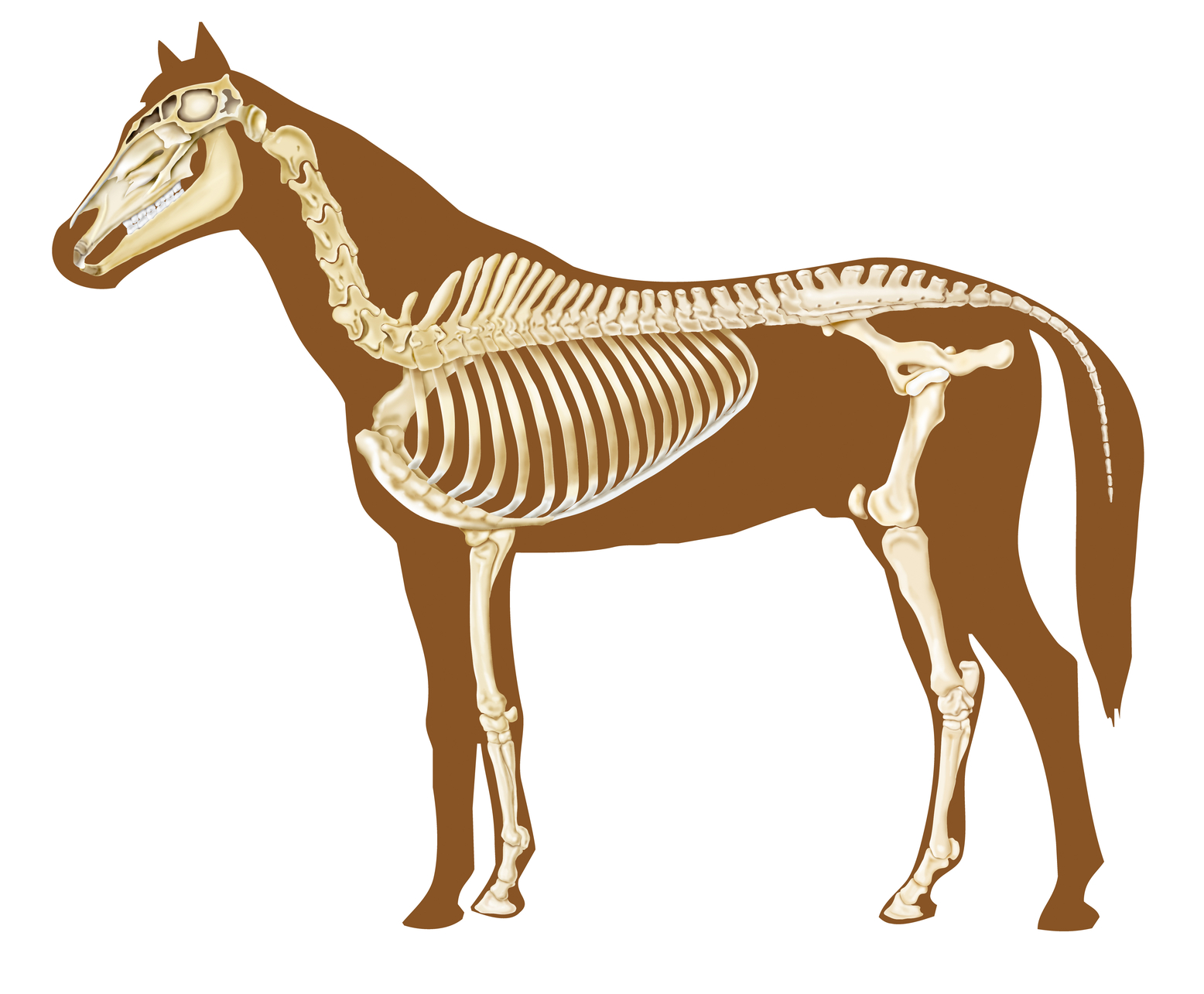
As with humans, Calcium is necessary for strong, healthy bones with 99% of the Calcium in the body being contained in the bones and teeth.  In the horse it plays a vital role in maintaining strong and healthy bones, cartilage and joints for performance without injury/breakdown.

 horse skeleton section

Other less known functions of Calcium in the horse include roles in metabolism, nerve impulses, heart and diaphragm contraction and the functioning of the GI muscle for digestion. Calcium also has a role in specific metabolic reactions such as blood clotting, normal cell membrane function, glandular secretion, temperature regulation, regulating activity of many enzymes, and cellular activity.

Continue reading

BEET PULP IN THE EQUINE DIET

What is it?

Beet pulp is a highly digestible fiber source that is a byproduct in the processing of sugar beets for sugar.  It’s basically what’s left over after the sugar is extracted from sugar beets.

Sugar beet

Since the sugar beet industry is happy to have a way dispose of the pulp, it is one of the more inexpensive feeds available to supplement in your horse’s diet. Beet pulp is similar in energy value to oats but the energy comes from digestible fiber and not from starch making it healthier.

What is the Nutritional Value of Beet Pulp?

Beet pulp has about the same protein as a good grass hay, averaging 8 to 10%, however it is higher in calories than hay. It is a good source of fermentable fiber, is fairly high in calcium, high in crude fiber but basically has no vitamin content.

Continue reading

The ABCs of Equine Nutrition: An A-to-Z guide to better understanding, The Letter A

HappyHorseHealthyPlanet_ABC-Cover2

I originally thought of this as a single blog post but after I started researching I discovered enough information for each alphabet letter to write a book!  With that idea in mind I decided to write a post each week using a different letter of the alphabet.  So at the end of 26 weeks (assuming I can find enough nutrition topics starting with X and Y!) I will have written the book! 

Some letters will have quite a few topics and others not-so-much. If you think of any topics beginning with a letter I have not covered PLEASE send them to me via email.  The more comprehensive the book is the better.

So we will take this journey together beginning with the letter A and progress through each letter discovering, explaining and learning more about the wonderful, confusing, challenging world of equine nutrition.

Let the journey begin…… Continue reading

Good Articles About Nutrition from EcoEquine

I have decided to re-post on my site the nutrition-related posts from Laura’s blog EcoEquine.  She has decided to blog about Farm Sustainability and General Horse Health while I blog about equine nutrition (which only makes sense).  Just click the picture below to go to that article.

Peace & Good Feed,

~The Nerd

Happy Horse Healthy Planet.Ways of Hay

Happy Horse Healthy Planet.Hay Tips

Happy Horse Healthy Planet.Slow_Feeders_Blog

Older horse