Carbohydrates in the Equine Diet

HappyHorseHealthyPlanet.Carbohydrates_Cover

You know we can’t discuss equine nutrition without covering Carbs.  Especially since Carbohydrates pretty much make up your horse’s entire diet including forages, grains, and by-products of forage and grain.  
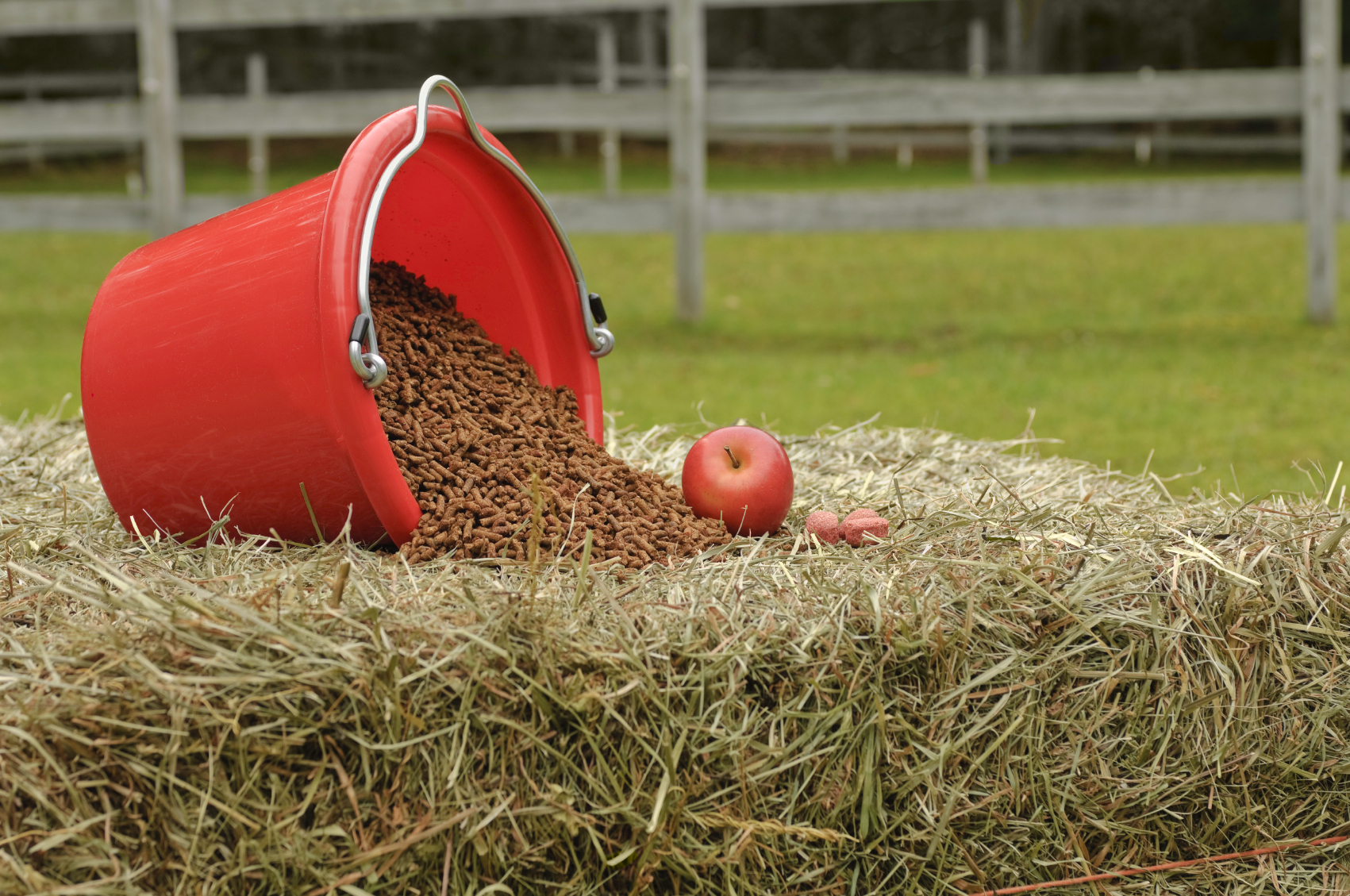
sugary-grain-n-treats2.jpg                                                                                                                                                                              I want to keep it simple so you finish with a good understanding of what all the fuss is about regarding Carbohydrates.  Carbohydrate (CHO) is the collective term for starches, sugars and fiber in your horse’s diet.  If you are feeding correctly, this diet should be composed mostly of forage, as in grass, hay, haylage, beet pulp, etc.  Forages provide the structural CHOs a horse can ferment well.  Forages also provide a horse with some simple Carbs such as starch and sugar.

There are two kinds of Carbohydrates; Structural and Non-Structural. Continue reading
B2 RIBOFLAVIN IN THE EQUINE DIET

HappyHOrseHealthyPlanet_B2_Riboflavin

What Does It Do?

B2 is vital for protein and carbohydrate metabolism.  Riboflavin is a precursor to two coenzymes. Coenzymes are molecules that carry chemical compounds between two enzymes which transport many substances in the body. Being a precursor simply means that the equine body uses B2 to make the coenzymes. B also appears to have a role in fat metabolism.

There is a specific site in an area of the small intestine where dietary B is absorbed.  It binds to a carrier protein and then is transported to the liver, the adrenals, and other sites where it is built into the enzymes.

As with all water soluble vitamins excess B is withdrawn by the kidneys and excreted via the urine.

Continue reading

What is Acid Detergent Fiber (ADF) in Horse Hay?

Having your hay analyzed is a great idea.  It is the only way to determine the actual nutrient content of your hay.  It is important to know this so that you can be sure your horse is consuming an adequate diet.  You may or may not need to feed grain depending on the quality of your hay.  The better the quality of the hay you feed, the less grain you will need to feed.  This can be a significant savings.

Guzzling Horses

When discussing hay quality or looking at your hay sample analysis results the acronym ADF is often heard or seen.  ADF stands for Acid Detergent Fiber and is the percentage of the plant material in the forage that is difficult for your horse to digest. This indigestible part contains cellulose, lignin, and silica.

Continue reading

Amino Acids in the Equine Diet

Most horse owners understand the importance of protein in a horse’s diet.  Most understand that protein is used for growth and the repair of muscle and tissues.  Few however can tell you what protein is actually made of. 

Protein is made up of Amino acids much like a wall is made of bricks. There are 22 Amino acids that constitute protein in your horse.  A horse needs all 22 to build proteins in his body. Horses get these Amino acids two ways; they make them in their body or they get them from their food. 

Grazing horses

Of the 22 Amino acids there are 10 that are called essential.  The essential Amino acids come from food.  Essential Amino acids must be provided in the diet because the horse cannot manufacture them on their own in the digestive tract. The importance of providing these essential Amino acids can be better understood when we look at the jobs they do:

Continue reading

ASSESMENT OF YOUR HORSE’S HEALTH & DIET

Assess Your Horses Weight, Condition and Needs:

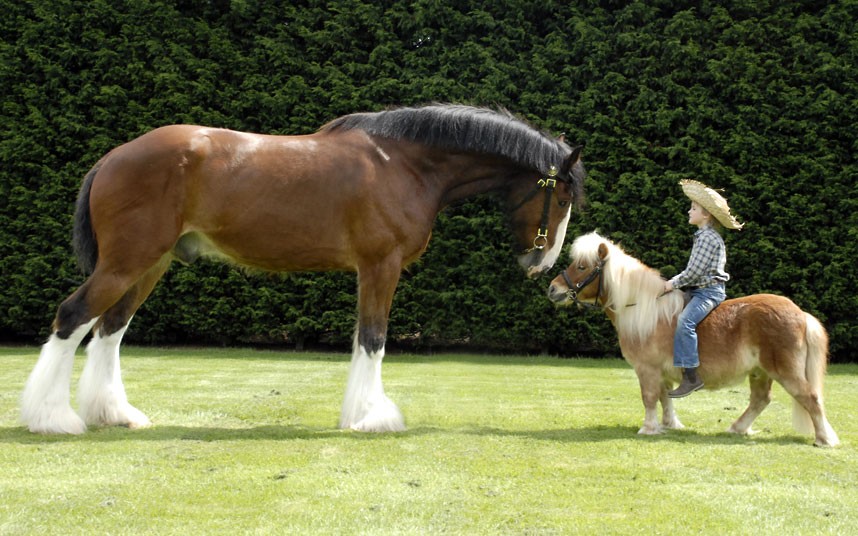
In order for any nutrition program to be effective it has to serve the purpose for the animal you are feeding.  Feeding a Shetland pony a draft horse diet is not only incorrect but also dangerous.

Curiositiesbydickens

To know what and how much to feed you first need to know your horse’s weight, his current body condition and his nutritional needs.

I say it 20 times a week “Feed by weight not volume” and you will see it again under “W” later in the year.  If the rule of thumb is 1.5-2% of your horse’s body weight in feedstuffs per day then you must know the body weight to calculate the percentage.

Continue reading