BIOTIN IN THE EQUINE DIET

What Does it Do?

Biotin is a member of the B-complex group of vitamins and is most known for supporting nutrients for a healthy skin, coat and hoof.
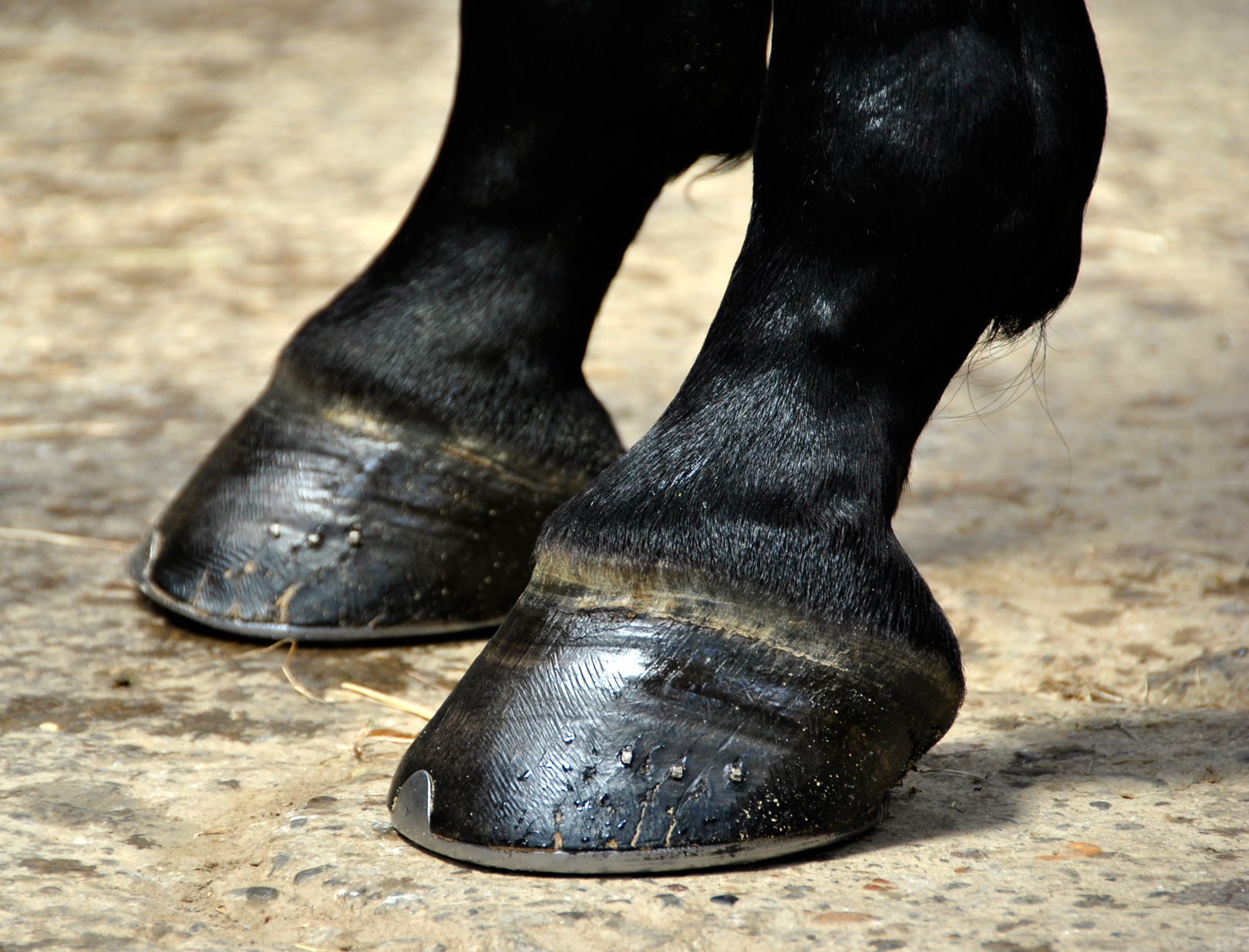
Horse Hoof - Hooves

Biotin is a vitamin that must be obtained either through the diet or via the absorption of Biotin that is synthesized by intestinal bacteria.

Where Does My Horse Get Biotin?

The best place for your horse to get Biotin is pasture but good quality forage can also provide your horse with Biotin. Horses derive most of their Biotin requirement from the fermentation of forages by the microbial population in the hindgut.
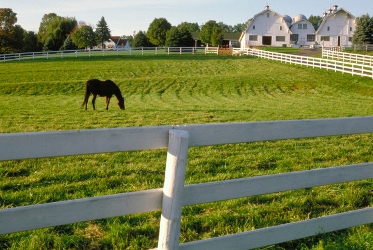
Horse_in_pasture_web

Grains such as oat, barley, and soybean meal only provide moderate concentrations of Biotin and the lowest levels are found in corn. Because of this some formulated feeds usually add Biotin but it is typically less than 1 mg per day on an as feed basis. 

There are also numerous supplements on the market that contain high levels of Biotin.  These supplements  are intended to improve the horse’s hair coat or hoof condition.
Continue reading

B6 PYRIDOZINE IN THE EQUINE DIET

HappyHOrseHealthyPlanet_B6

What Does It Do?

B6 is essential for energy production, nervous system activity and for blood production.

B6 is actually three compounds, phosphorylation, pyridoxal and pyridoxamine (PALP) which are found in various enzyme systems for their functions in the equine body.

Although research has been very extensive, the multiple functions of vitamin B6 through PALP are still not yet fully understood; but over fifty enzymes are  known which depend on it.

Nutritional Requirements:

Many factors such as age, performance, and protein uptake effects a horses’ need for vitamin B6.  Although deficiency symptoms have not been identified, all the evidence suggests that the amount of vitamin B6 in feeds may not be sufficient for optimum performance at any age.

Active horses appear to require a minimum dietary level of B6 greater than 2.5 mg/kg. The aim should be a supplement of about 3 mg per kg of feed which therefore supplies an active, performance horse with 30 mg/day, a resting adult with 18 mg/day, mares and stallions with 12 mg/day and foals and yearlings with 3 to10 mg/day.

Where Does My Horse Get It?

Continue reading

B3 NIACIN IN THE EQUINE DIET

HappyHOrseHealthyPlanet_B3_Niacin

What Does It Do?

B3 is one of those vitamins that is essential to almost everything your horse does.  B3 is a water soluble B group vitamin required on a daily basis and used in metabolism of fats, carbohydrates and amino acids. It also supports healthy skin and digestion.

Niacin has been known it’s ability to increase blood flow to the extremities.  Therefore, B3 supplementation has been used successfully to promote improved blood circulation.

Continue reading

B2 RIBOFLAVIN IN THE EQUINE DIET

HappyHOrseHealthyPlanet_B2_Riboflavin

What Does It Do?

B2 is vital for protein and carbohydrate metabolism.  Riboflavin is a precursor to two coenzymes. Coenzymes are molecules that carry chemical compounds between two enzymes which transport many substances in the body. Being a precursor simply means that the equine body uses B2 to make the coenzymes. B also appears to have a role in fat metabolism.

There is a specific site in an area of the small intestine where dietary B is absorbed.  It binds to a carrier protein and then is transported to the liver, the adrenals, and other sites where it is built into the enzymes.

As with all water soluble vitamins excess B is withdrawn by the kidneys and excreted via the urine.

Continue reading