Cuckoo For Coconuts; Coconut Meal & Oil in Your Horse’s Diet

HappyHorseHealthyPlanet.Coconuts_Cover

While I believe that following fads in equine nutrition is all too common and sometimes risky, every once in a while, something comes along that has the potential to really add to value. Coconut meal and oil is such a product.

What is it and where does it come from?

Copra meal, or Coconut meal, is a feed ingredient that is the by-product of the oil extraction from dried Coconut kernels.  It comes from the white part of the Coconut, not the shell or husk.  The nut is split and the kernel is removed and dried to below 6% moisture.

The dried Coconut is ground, flaked and cooked until moisture is brought down to 3%. The oil is mechanically extracted from the flakes using an expeller machine, resulting in low-colored oil and a copra cake containing about 7% oil.
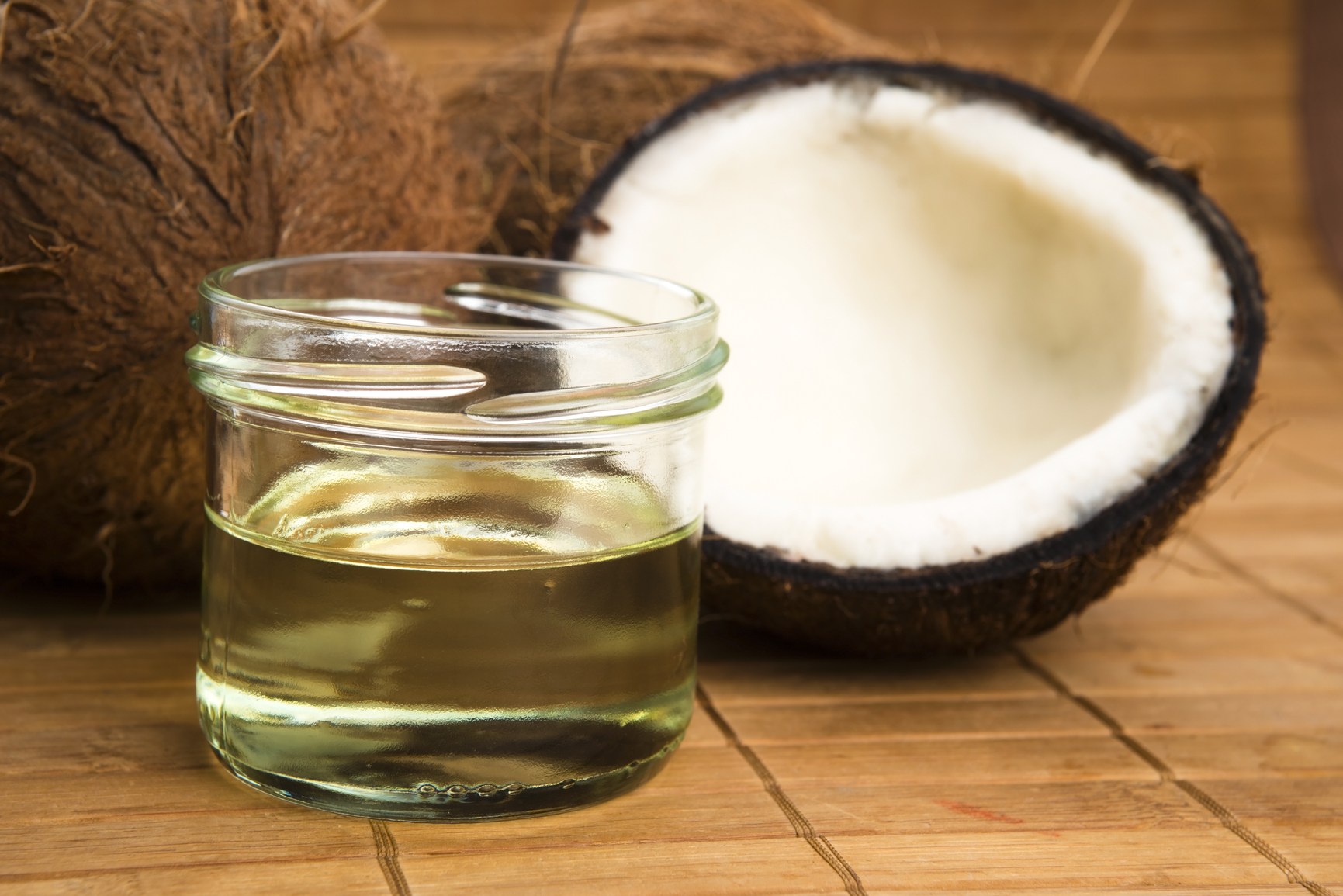
Coconut oil for alternative therapy

Coconut meal is rarely a main ingredient in horse feed. Currently it seems to be fed primarily as a supplement in regions where Coconuts are grown and processed or where the product is easily available.

Coconut meal can be pelletized and used as a feed or be used as a protein supplement for grass-fed animals, either alone or in combination with other protein sources.

Continue reading
Carbohydrates in the Equine Diet

HappyHorseHealthyPlanet.Carbohydrates_Cover

You know we can’t discuss equine nutrition without covering Carbs.  Especially since Carbohydrates pretty much make up your horse’s entire diet including forages, grains, and by-products of forage and grain.  

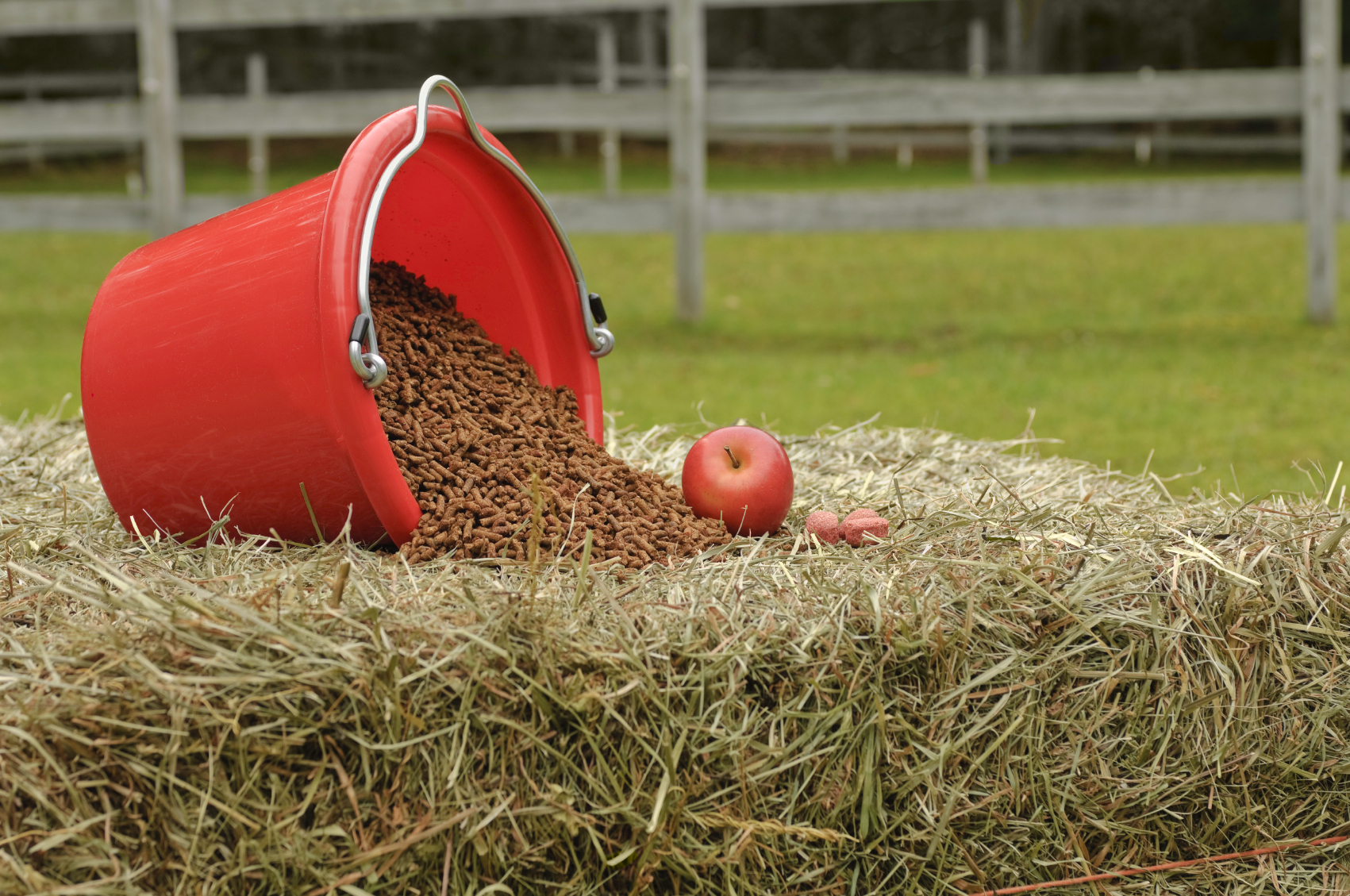
sugary-grain-n-treats2.jpg                                                                                                                                                                              I want to keep it simple so you finish with a good understanding of what all the fuss is about regarding Carbohydrates.  Carbohydrate (CHO) is the collective term for starches, sugars and fiber in your horse’s diet.  If you are feeding correctly, this diet should be composed mostly of forage, as in grass, hay, haylage, beet pulp, etc.  Forages provide the structural CHOs a horse can ferment well.  Forages also provide a horse with some simple Carbs such as starch and sugar.

There are two kinds of Carbohydrates; Structural and Non-Structural. Continue reading

BLISTER BEETLES DANGERS FOR HORSES

What is a Blister Beetle and What Does it Look Like?

Blister Beetles are members of a family of plant-feeding insects (Meloidae) that contain a toxic defensive chemical known as cantharidin.  This chemical protects them from predators.  Accidentally crushing a Beetle against the skin can result in a painful blister, the source of the insect’s common name. 

Blister Beetles have long (3/4 to 1-1/4 inch) narrow bodies, broad heads, and antennae that are about 1/3 the length of their entire bodies. The front wings are soft and flexible in contrast to the hard front wings of most Beetles.

Continue reading

BRAN IN THE EQUINE DIET

What is wheat Bran?

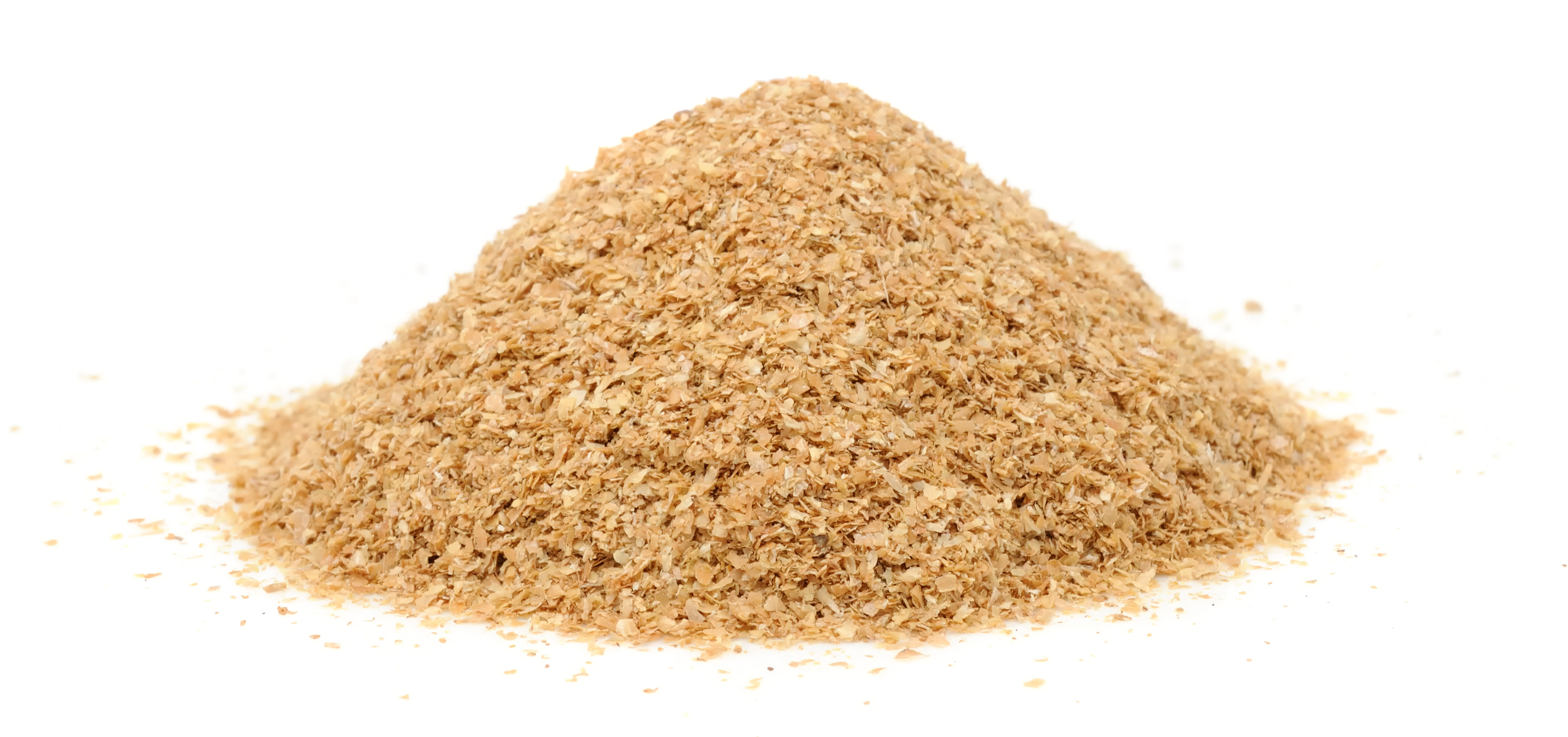
Bran is similar to other byproducts of the milling industry that found their way into livestock diets when manufacturers were searching for a profitable use for the byproducts.  When milling wheat the husk is removed before grinding the soft, inner kernel into flour. The husks are then turned into the large reddish-brown flakes known as Bran.

HappyHorseHealthyPlanet.com._Bran

Horses, people discovered, liked the taste of Bran. And millers are more than delighted to sell Bran cheaply to those who want to feed it to their horses.

What is the Nutritional Value of Bran?

Continue reading

B6 PYRIDOZINE IN THE EQUINE DIET

HappyHOrseHealthyPlanet_B6

What Does It Do?

B6 is essential for energy production, nervous system activity and for blood production.

B6 is actually three compounds, phosphorylation, pyridoxal and pyridoxamine (PALP) which are found in various enzyme systems for their functions in the equine body.

Although research has been very extensive, the multiple functions of vitamin B6 through PALP are still not yet fully understood; but over fifty enzymes are  known which depend on it.

Nutritional Requirements:

Many factors such as age, performance, and protein uptake effects a horses’ need for vitamin B6.  Although deficiency symptoms have not been identified, all the evidence suggests that the amount of vitamin B6 in feeds may not be sufficient for optimum performance at any age.

Active horses appear to require a minimum dietary level of B6 greater than 2.5 mg/kg. The aim should be a supplement of about 3 mg per kg of feed which therefore supplies an active, performance horse with 30 mg/day, a resting adult with 18 mg/day, mares and stallions with 12 mg/day and foals and yearlings with 3 to10 mg/day.

Where Does My Horse Get It?

Continue reading